Science

Science
Letters reveal forgotten role of Baghdad antiquities dealers in early 20th-century Kish excavations
Phys.org

Science
The stubby legs of ancient sled dogs helped people traverse the Arctic for the past 9,000 years
Phys.org · Phys.org

Science
Franklin created famed ‘Photo 51’ after calculating key features of DNA’s helix from an earlier image, study reveals
Phys.org

Science
Mangroves shield coasts from waves, but seedlings need calm waters to take root
Phys.org

Science
Conservation parks don’t have to be vast—as one tiny grasshopper reminds us
Phys.org
Science
Muscle cells self-organize into spirals, advancing efforts to engineer tiny blood vessels that regulate flow
Science News · Phys.org

Science
Did you solve it? The treacherous puzzle of the round table
The Guardian

Science
How nature lovers can aid ecology with an assist from AI
Phys.org

Science
African genomics research is growing: What countries are doing to connect genetic data and health care
Phys.org

Science
Universities are making different choices about AI. How will they fit with their public missions?
Phys.org

Science
ALMA catches a dying star mid-transformation, with a ring from its last outburst
Phys.org

Science
Identity develops well into adulthood and is linked to better mental well-being
Phys.org

Science
Supply chain experts say uncertainty will disrupt 4th Quarter
Phys.org

Science
‘Molecular sunscreen’ may explain why DNA uses thymine despite its vulnerability to UV damage
Phys.org
Science
Is ‘Attention’ the Essence of Intelligence?
Quanta Magazine

Space
Artemis III Scientist Shares What to Expect From NASA’s Next Lunar Mission
Wired · Phys.org

Science
Some house cats carry a gut parasite that can infect humans, study finds
Phys.org
Science
As a scientist, here’s what worries me about the suspected Russian plague victim | Devi Sridhar
The Guardian

Science
Atypical B cells shift immune roles as they develop, malaria study finds
Phys.org

Science
The gooier marine snow is, the better it is at transporting carbon, new study finds
Phys.org
Science
When climate change brings the heat, what happens to a mighty redwood?
Science News

Science
As the school year settles in, making room for the arts can support everyday well‑being
Phys.org

Science
Ball or strike? Why the count may change what a baseball umpire sees
Phys.org
Science
Stinky ‘skunk’ plant cleared from river
BBC News

Science
Researchers use AI to design proteins that cut up other proteins
Ars Technica · Phys.org

Science
Why a tiny number of venture capitalists capture almost all the profit
Phys.org

Science
Climate fingerprints reveal stronger evidence of human-caused warming after more than 30 years
Phys.org

Science
DNA reveals genetic divide in Australian brolgas, with southern birds facing greater diversity risks
Phys.org
Science
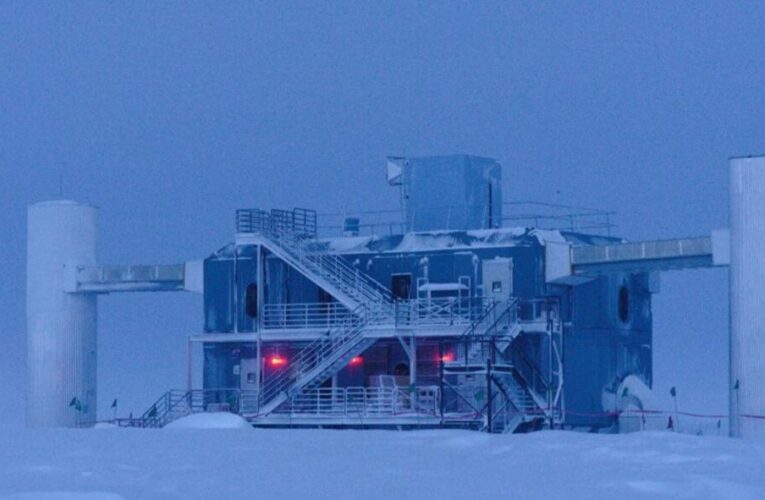
Physics Nobel highlights Antarctica’s role in exploring the cosmos
The Conversation

Science
Why some anglers always follow the rules
Phys.org