Science

Science
AI companions could help reduce loneliness, study finds
Phys.org

Science
Q&A: Making hydrogen peroxide without using precious metals

Science
Can AI save peer review from AI?
Phys.org
Science
How to turn impostor syndrome into a superpower
Nature
N
Science
Author Correction: SARS-CoV-2 mRNA vaccines sensitize tumours to immune checkpoint blockade
Nature
Science
Ruminations on a last movement
Nature

Science
These gaps in weather data affect forecasts everywhere: plugging them is not charity
Science
‘I had felt overconfident’: senior scientists reveal mistakes that aided discovery
Nature
Science
US science academy urges journals to fix errors more quickly
Nature
Science
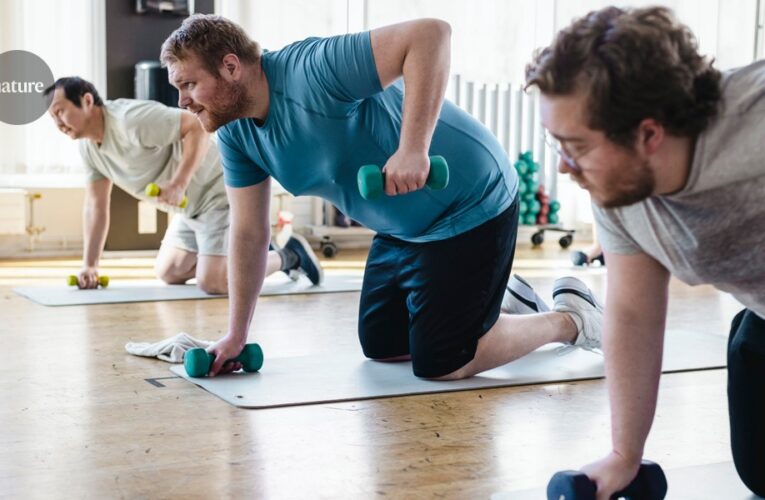
Lifting weights reduces muscle loss from obesity drugs
Nature
Science
‘Incredibly frustrating’: prestigious fellowship applications close in just 21 hours
Nature
Science
Claude, find me a planet: amateur astronomers are using AI with mixed results
Nature
Science
How AI is affecting science careers
Nature
Science
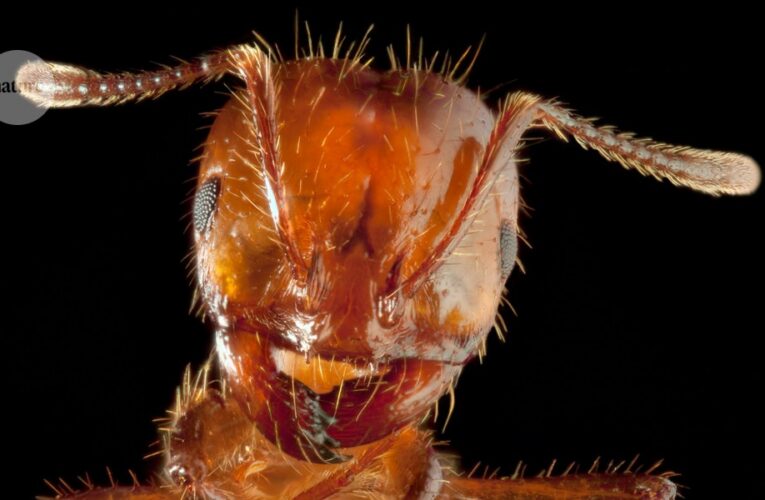
Fraud helps little fire ants to survive and conquer
Nature
Science
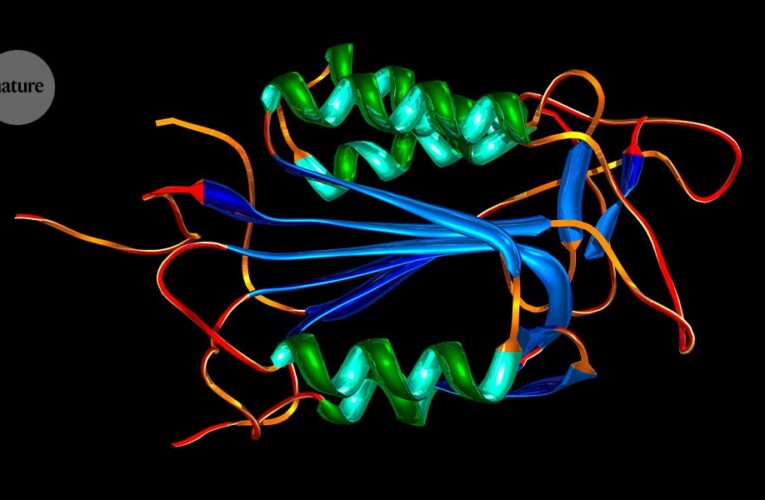
Sleuth finds ‘impossible proteins’ in hundreds of research papers
Nature
Science
Net zero emissions won’t reverse climate change — some nations look to ‘net negative’
Nature

Science
‘PAC-MAN’ capsules that gobble up particles in turbulent water show promise for filtration and drug delivery
Phys.org

Science
Britain should treat healthy seas as essential infrastructure, say scientists
Phys.org

Science
The secret of ‘strange metals’ may lie in quantum statistics, not collisions
Phys.org

Science
Euclid’s hunt for strong gravitational lenses is off to a strong start
Phys.org

Science
Staying alive in marsh muck: The tiny ‘snorkels’ cattails grow manipulate soil chemistry
Phys.org

Science
Dual-purpose polymer dots could combine bioimaging and light-triggered cell death in one material
Phys.org

Science
Solo meerkats can find their way back home
Science News · Phys.org

Health
How microbes make drug-like chemicals without damaging themselves
Phys.org

Space
ESA’s Hera probe uses ‘superhuman’ vision to inspect NASA’s asteroid crash site
Phys.org

Science
If tiny ‘primordial’ black holes exist, here’s how we might find them
Phys.org

Science
The snake with a built-in egg peeler
Phys.org

Science
How a tiny chemical mark on a protein can be placed to double gene activity
Phys.org

Science
Lonely shoppers demonstrate less compassion in their purchases than others, study shows
Phys.org

Science
Light-activated nanoparticles may help treat head and neck cancer
Phys.org