Science
Science
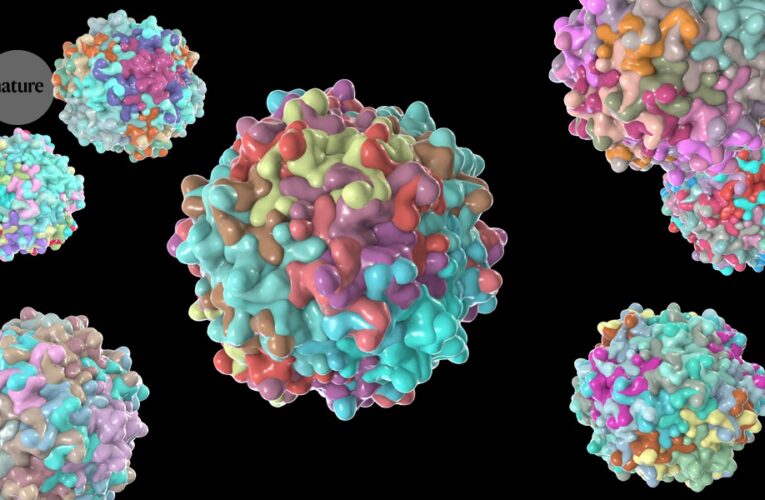
Location, location, location: how to edit genes only in the cells you want
Nature
Science
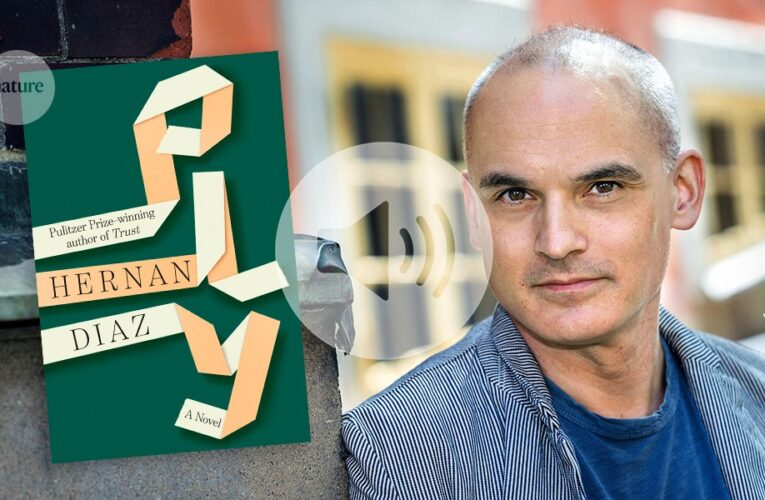
‘Learning about physics changed my life’: author Hernan Diaz on his new novel Ply
Nature

Science
Von Neumann’s party
Nature
Science
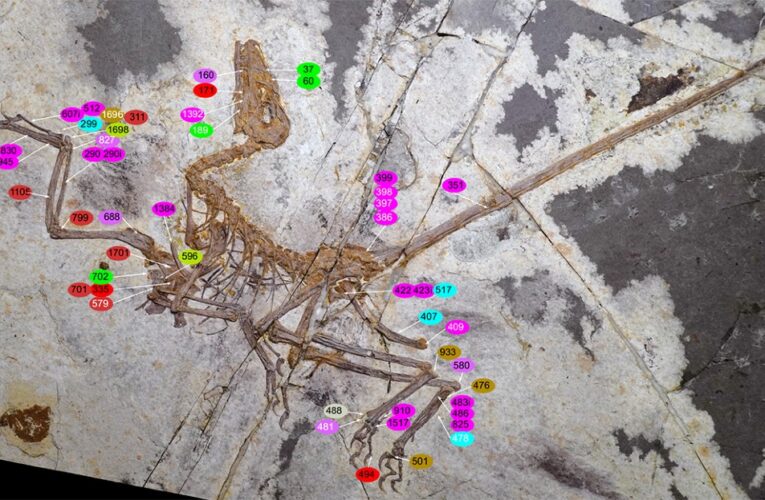
Animals may have evolved vastly earlier than fossil evidence suggests
Nature · Phys.org
Science
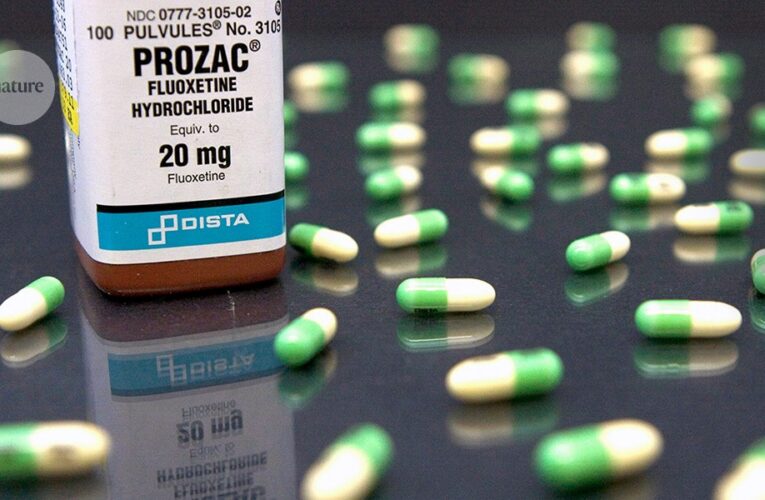
Prozac use for childhood depression skewed by single flawed medical trial
Nature
Science
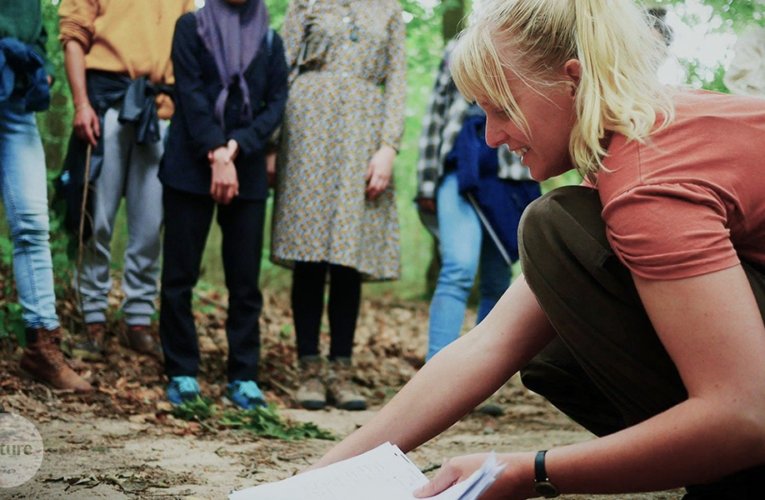
Can we have class outside? Seven tips to breeze through outdoor lectures
Nature
Science
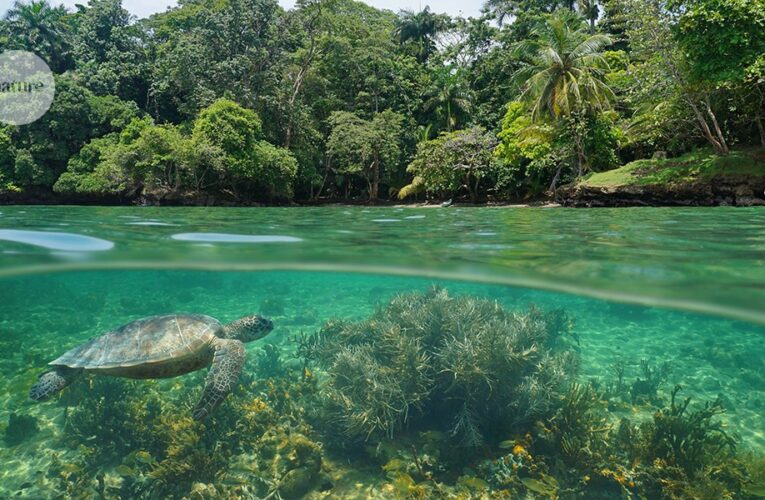
Nature has rights — it is time the world recognized them
Nature

Science
How to respond to hate speech without fuelling it further
Nature

Science
Counteranions reshape molecular packing to tune magnetism in copper complexes
Phys.org

Science
Learning to speak elephant: Choruses of rumbles help groups coordinate
Phys.org

Science
Camelina genome analysis reveals how wild relatives could expand crop breeding options
Phys.org

Science
Ions help electrons hop through porous material with potential for brain-inspired computing
Phys.org

Science
Five new species of freshwater mussels in southern US uncovered by researchers
Phys.org

Science
Bridging generations: Early findings suggest shared spaces may benefit both children and nursing home residents
Phys.org

Science
Mining fragmented microbial DNA identifies candidates for anticancer testing
Phys.org

Science
Small protein helps amplify cell signals from receptors targeted by many medicines
Phys.org
Science
Falling glass and ‘decapitated’ plants: the race to protect Edinburgh botanic garden’s plants
BBC News · The Guardian

Science
Where the waters meet: Connecting global limits and river basin management
Phys.org

Science
New method generates nearly indistinguishable photons for quantum communication
Phys.org

Science
Artisans turn old São Paulo subway construction uniforms into backpacks
Phys.org

Science
Yosemite toad killer may be hiding in their own homes
Phys.org

Science
AI method predicts retention times of small molecules more reliably
Phys.org

Science
Viewer impatience may explain why ads lasting ten seconds or less outperform longer spots
Phys.org

Science
The 2025 Kamchatka tsunami kept the Pacific ringing for more than ten hours. Its rhythm could help tsunami warnings
Phys.org

Science
Global pollination analysis reveals climate explains specialized partnerships better than latitude
Phys.org

Health
Salivary gland mini-organs grown from pluripotent stem cells offer potential path to treating severe dry mouth
Phys.org

Science
Engineer brings ‘surgineering’ mindset to future of medicine
Phys.org

Science
How the biological clock regulates phases of wakefulness
Phys.org

Science
The ocean as a medicine cabinet: Researchers search for useful microbes
Phys.org
Space
NASA Awards Enterprise Logistics Support Services Agreements
NASA