Science
Science
Illegal dump clean-up needs £161m over 30 years, says Muir
BBC News
Space
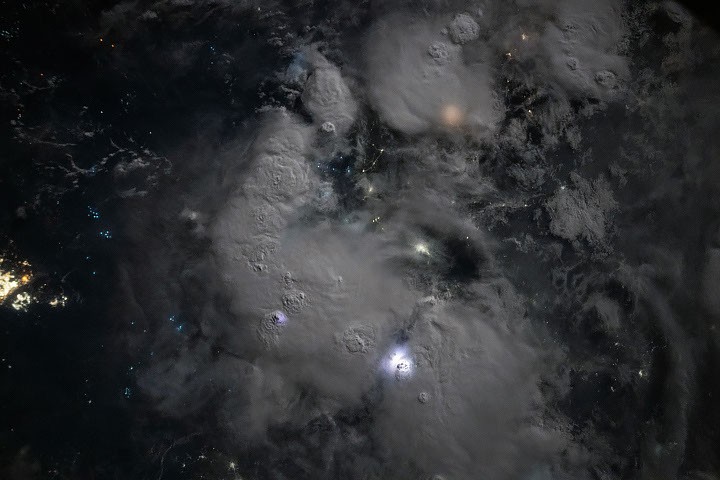
Tossing Fireworks from Cloud to Cloud
NASA
Science
Nasa’s Voyager 1 probe in sight of an incredible milestone – podcast

Science
What makes food ‘organic?’ For many consumers, the answer isn’t always on the label
Phys.org

Science
Report finds consistent pandemic learning loss and gaps between grades and test scores across Canada
Phys.org

Science
This year’s humpback whale migration was missing something vital—the calves and their mothers
Phys.org · Phys.org

Science
How enhanced rock weathering can speed up carbon capture
Phys.org
Science
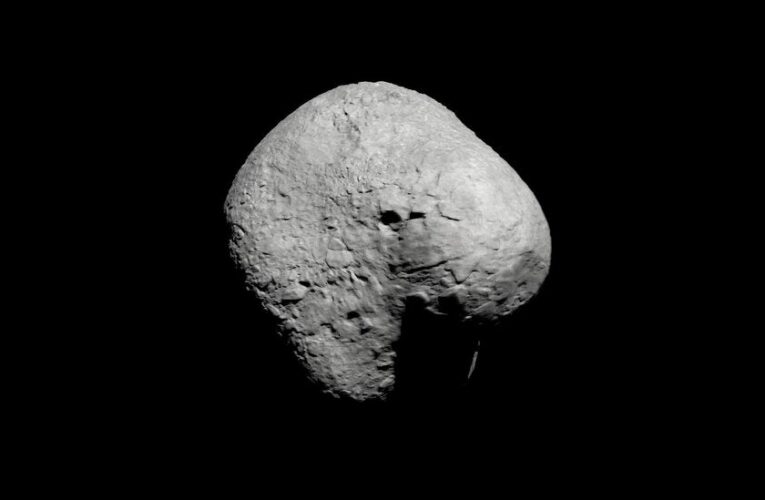
Scientists Are Stumped by This Strange Object in Space
The New York Times

Science
Flat optics roadmap charts path toward smaller imaging and sensing systems
Phys.org

Science
Early black holes may have grown through productive chaos
Phys.org

Science
‘Buffer spaces’ may help resolve workplace concerns
Phys.org

Science
AI could help speed up research ethics approvals
Phys.org

Science
Flip side: Upside-down atomic layers could steer heat in stacked computer chips
Phys.org

Science
New analysis shows that even young children want to be seen as morally good
Phys.org

Science
Tigers, zebras, quantum dots: Nanoparticles assemble into patterns
Phys.org

Health
Capping nanovials that trap cells and their secretions for analysis enables new bioscience experiments
Phys.org

Science
Researchers are testing whether agrivoltaics can help farmers adapt to hotter, drier conditions
Phys.org
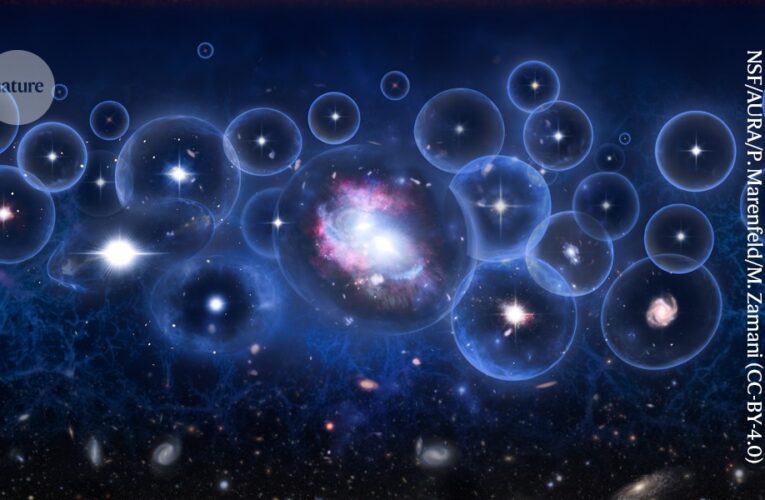
Science
Meet the ‘celestial bodies of fathomless powerful darkness’
Nature
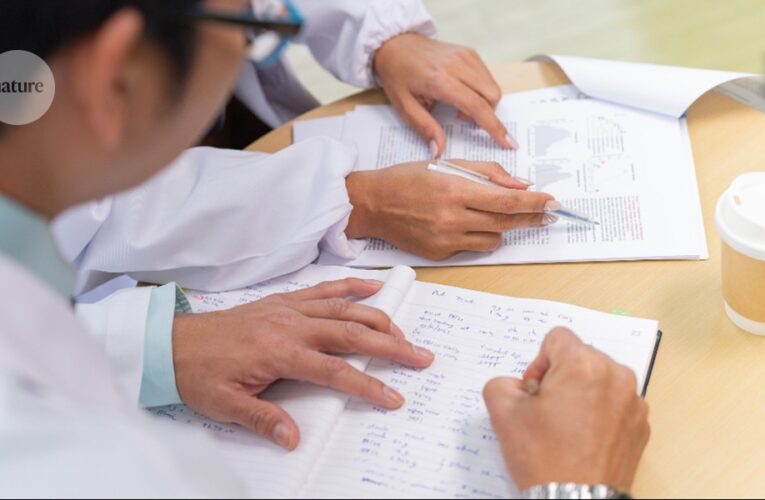
Science
Open up peer review to early-career researchers
Nature
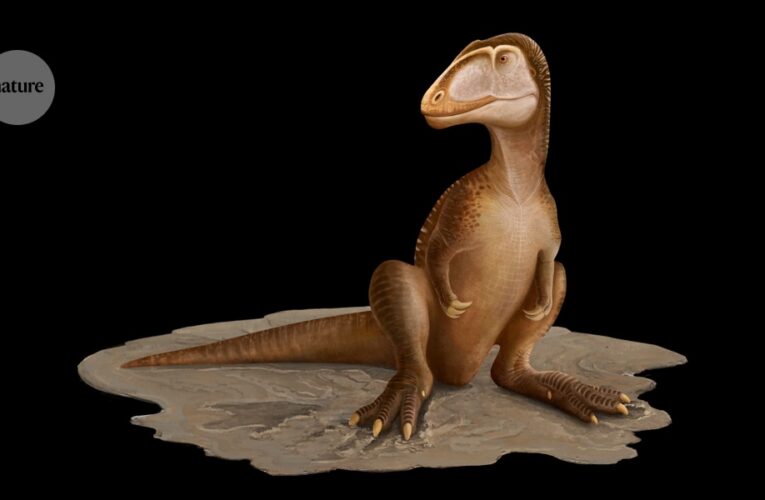
Science
Dinosaur’s rest break leaves a lasting impression
Nature
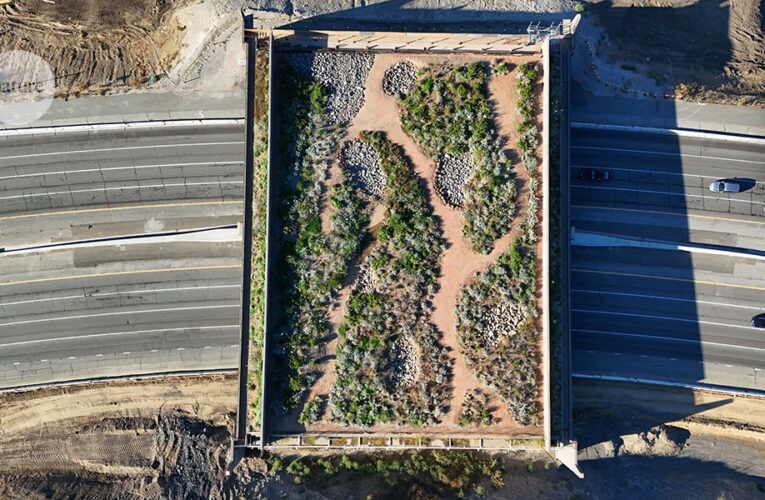
Science
How measuring the state of nature can reverse biodiversity loss
Nature

Science
Why using a chatbot as your lawyer is a risky move—and ties up our court system
Nature · Phys.org
N
Science
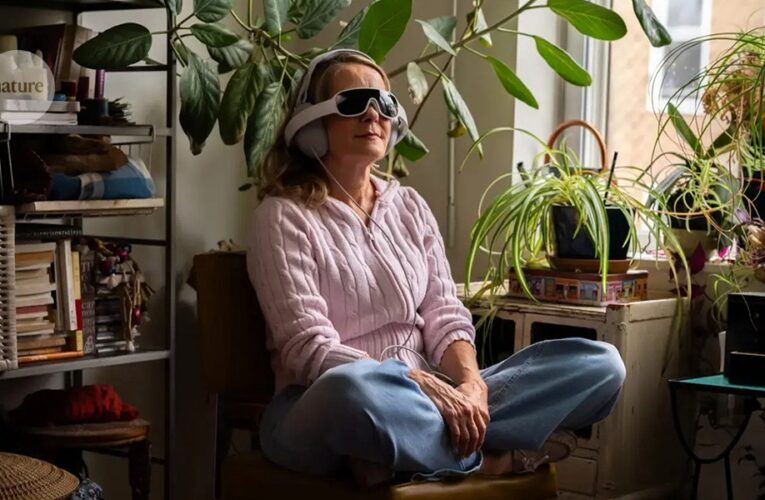
AI wearables could exploit people’s most vulnerable moments
Nature
Science
Pill that mimics Viagra can slow Alzheimer’s progression, study suggests
Nature · The Guardian
Science
Daily briefing: How vampire bats survive on blood alone
Nature
Science
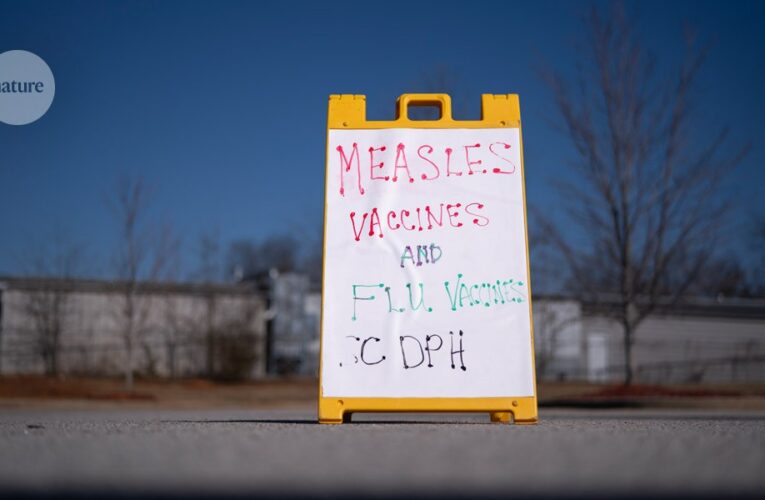
Measles is back in the US: what worries scientists
Nature
Science
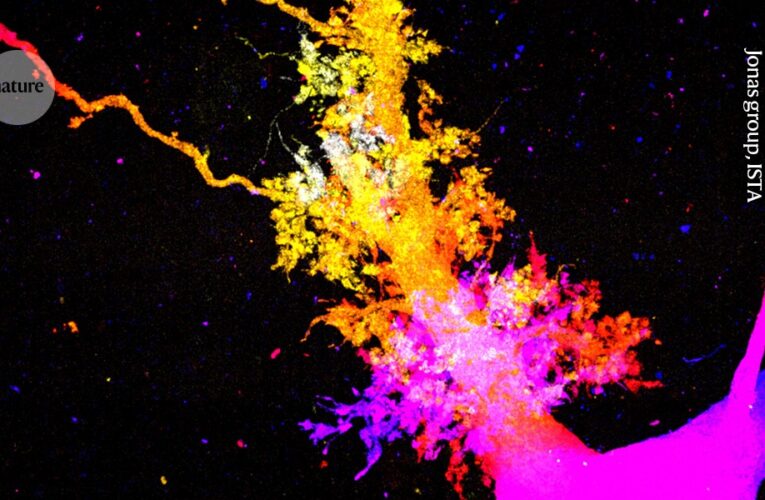
The world’s most precious brain samples — and what they teach us about being human
Nature
Science
Is academia’s risk-averse culture stifling scientific discovery?
Nature
Science
The origins of scrotal asymmetry
Nature

Science
Science Corporation’s brain tech is worth $3.5 billion after new funding
Nature · TechCrunch