Science

Science
To keep GPS constellations from drifting, look to the moon
Phys.org
Science
What makes a good AI safety test? Experts explain why even the best techniques may not be powerful enough
Scientific American

Science
Warming oceans reshape plankton, potentially leaving fish with less nutritious food
Phys.org

Science
A symbiotic marketplace: Gutless worms swap essential bacterial partners over time
Phys.org

Science
How political, cultural, and economic forces can shape the risk of zoonotic disease
Phys.org

Science
Bacteria use collisions to navigate crowded environments, micro-maze experiments reveal
Phys.org

Science
Molecular complexity as a signature of life
Phys.org

Science
Vanillin provides a sweet solution for chronic wound healing
Phys.org

Science
Blue light could cut food poisoning from raw chicken
Phys.org

Science
Remaking scents: could fragrance tech help take pressure off endangered plants?
The Guardian

Science
Counting purpose and connection could reveal overlooked benefits of bike paths and parks
Phys.org
Science
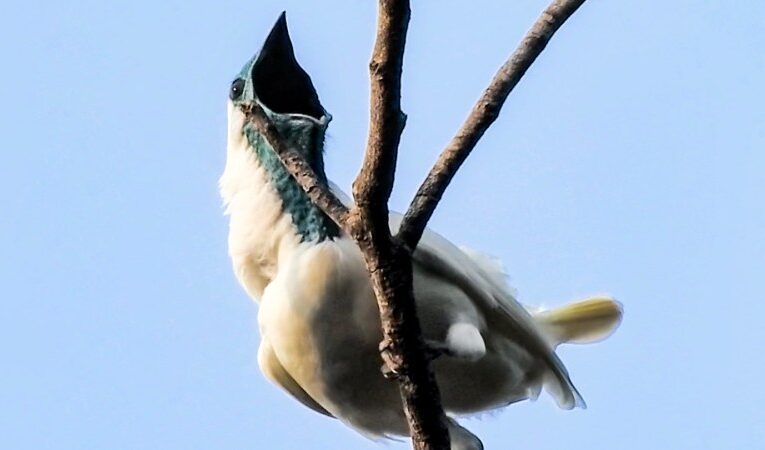
The world’s loudest bird could drown out a rock concert
Science News
Space
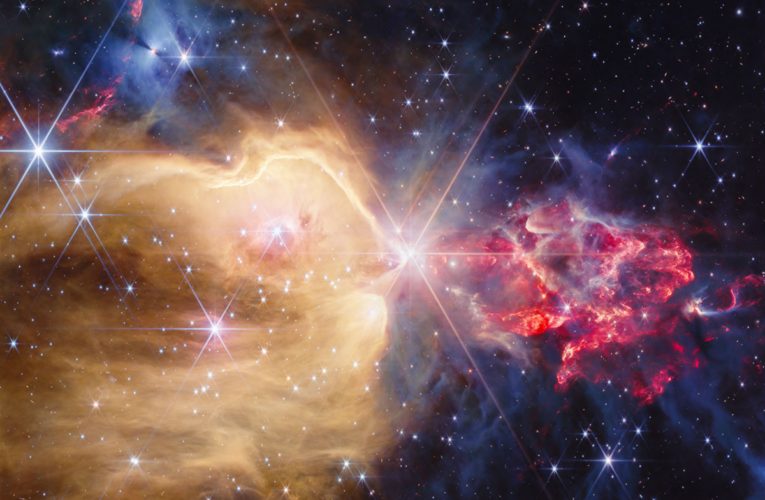
Webb captures commotion from nebula’s stellar jets
NASA · Phys.org

Science
New report exposes modern poverty and inequality in one of Britain’s ‘most affluent cities’
Phys.org
Science
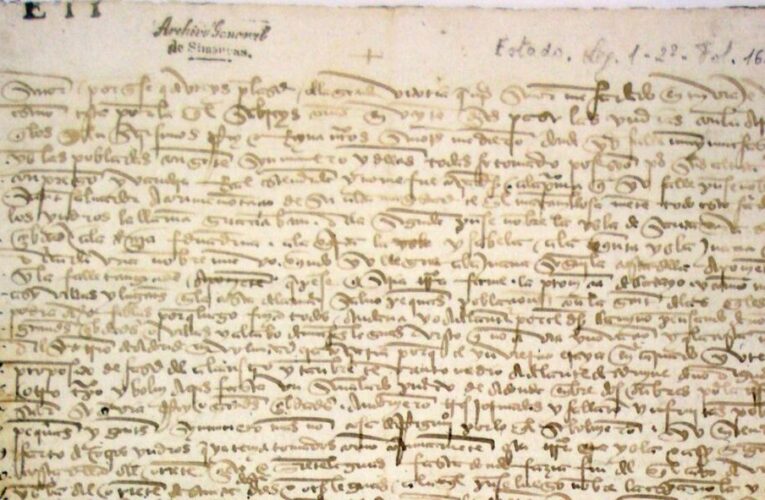
Columbus’ own writings reveal how tightly religion and conquest were intertwined from the start
The Conversation · Phys.org

Science
Africa’s rhinos often get the spotlight—but Indonesia’s two rhino species are far closer to extinction
Phys.org
Science
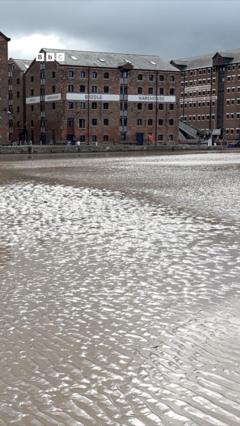
Gloucester Docks dredging project costing £4m begins
BBC News
Science
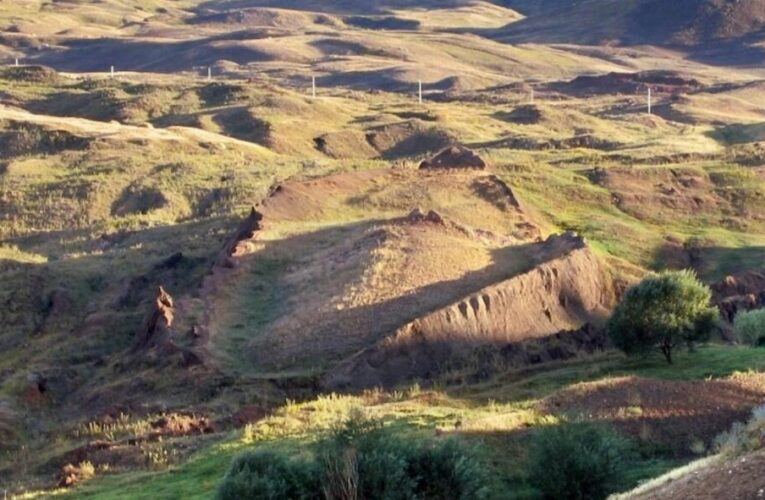
Why people keep looking for Noah’s Ark in a natural rock formation in Turkey: A scholar of early Christianity explains
The Conversation · Phys.org

Science
As the planet warms, cities like Bangkok could be increasingly inundated by deadly floods
Phys.org

Science
Yosemite’s meadows can be restored, but it will take time and effort
Phys.org

Science
Rising heat linked to faster telomere loss in wild Australian birds
Phys.org

Science
Seagrass meadows bounce back with new fish communities
Phys.org

Science
Cancer survival is improving, but return‑to‑work support is falling behind
Phys.org

Science
New report reveals gaps in corporate modern slavery disclosures
Phys.org
Science
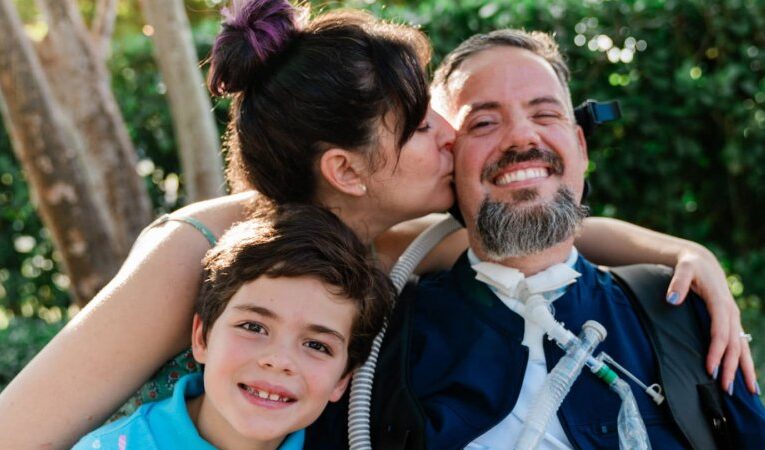
Your voice is more than sound. It’s part of who you are
Science News

Science
‘Ghost particles’ from space telescope wins physics Nobel
Science
Carbon tracking tower put on Scotland’s largest saltmarsh
BBC News

Science
Big dogs age faster than little ones — rogue ‘jumping genes’ might be to blame
Nature · The Conversation

Science
Nature’s capacity to ‘bounce back’ when species are lost is vastly overestimated, global analysis finds
Phys.org
Science
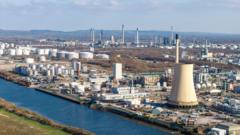
UK oil refinery broke toxic pollution limits dozens of times, documents reveal
BBC News