Could El Niño mean there are no Atlantic hurricanes this year?
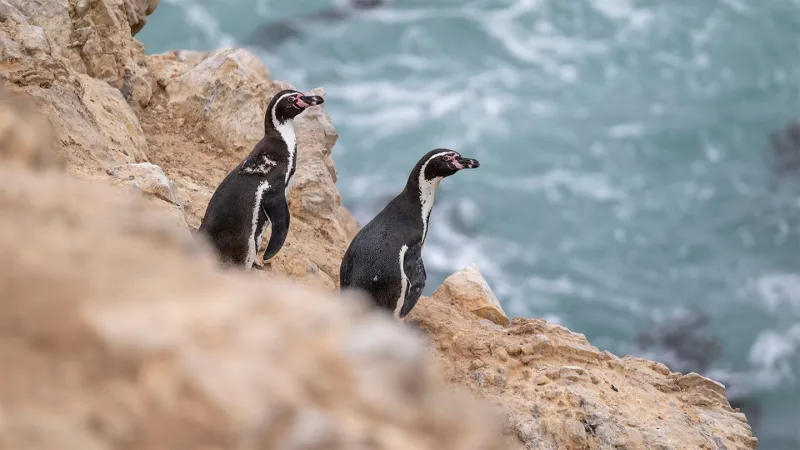
Image: The New York Times
ad slot · in-content video 16:9
Coverage
Wires & papers of record
- Hurricanes near Hawaii. A nor’easter on the East Coast. The ocean phenomenon’s influence on storms around the country may just be getting started.
- Nature, Published online: 30 September 2026; doi:10.1038/d41586-026-02965-9 Researchers are trying everything they can to help coral reefs to survive severe heat stress from climate change, including playing sounds underwater.
- Nature, Published online: 30 September 2026; doi:10.1038/d41586-026-03138-4 Scientists are trying to help coral reefs survive record ocean temperatures. Plus, the aftermath of a deadly attack on Ukraine’s National Academy of Sciences and whether it’s OK to dodge small talk.
- An enormous pulse of wave energy will soon reach the coast and continue north, raising sea levels by half a foot and increasing threats from swells and tides.
- Wave nearing southern California expected to reach San Francisco Bay Area by October as it crawls toward Alaska Communities across California are rushing to prepare for the imminent arrival of the so-called “Kelvin wave”, a massive underwater band of warm water threatening to inundate swaths of…
- A powerful El Niño is already influencing extreme weather around the planet. During the last strong El Niño, federal agencies ramped up research in the hope of improving weather forecasts. This year, they won't be matching that effort.
- For the first time in three decades there has not been a single Atlantic hurricane in September, normally the most active month.
Coverage
- Avian flu, overfishing, and a super El Niño have decimated Peru’s largest colony of Humboldt penguins. Scientists are holding out hope that their numbers will bounce back.
- El Niño has stymied storm formation even more than forecasters expected
More coverage
- Fishermen along Latin America's Pacific coast are reeling in half-empty nets as ocean warming aggravated by El Niño causes tuna, anchovies and other top catches to migrate to cooler waters.
- High sea temperatures driven by the climate crisis damage corals, bleaching them ghostly white and killing them. While restoration of dead reefs is possible, it's difficult and expensive, and restored corals are vulnerable to future heat waves. Finding ways to stop or slow the damage to existing…