How to Catch the Orionids, a Meteor Shower From Halley’s Comet
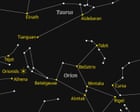
Image: The Guardian
ad slot · in-content video 16:9
Coverage
Wires & papers of record
- As Earth passes through dust left by Halley’s comet, observers may see 10-20 fragments per hour The annual Orionid meteor shower reaches its peak this week, offering the chance to see fragments of the most famous comet of all streaking across the night sky. The Orionids occur every October as…
- Clear skies permitting, skygazers could be able to spot as many as 10-20 meteors per hour as the shower peaks this week.
- It’s a fall favorite among stargazers, known for bright, speedy streaks that can sometimes linger in the sky for minutes.
Coverage
- Made up of small fragments left behind by Halley’s Comet, these meteors are known for being especially bright and speedy.
More coverage
- The Orionids—one of two major meteor showers caused by remnants from Halley's Comet—will peak this week, though a large moon will dim visibility until after it sets late at night.