In Trump’s Russian Oil Deal, Middle East Funds Are the Biggest Owners
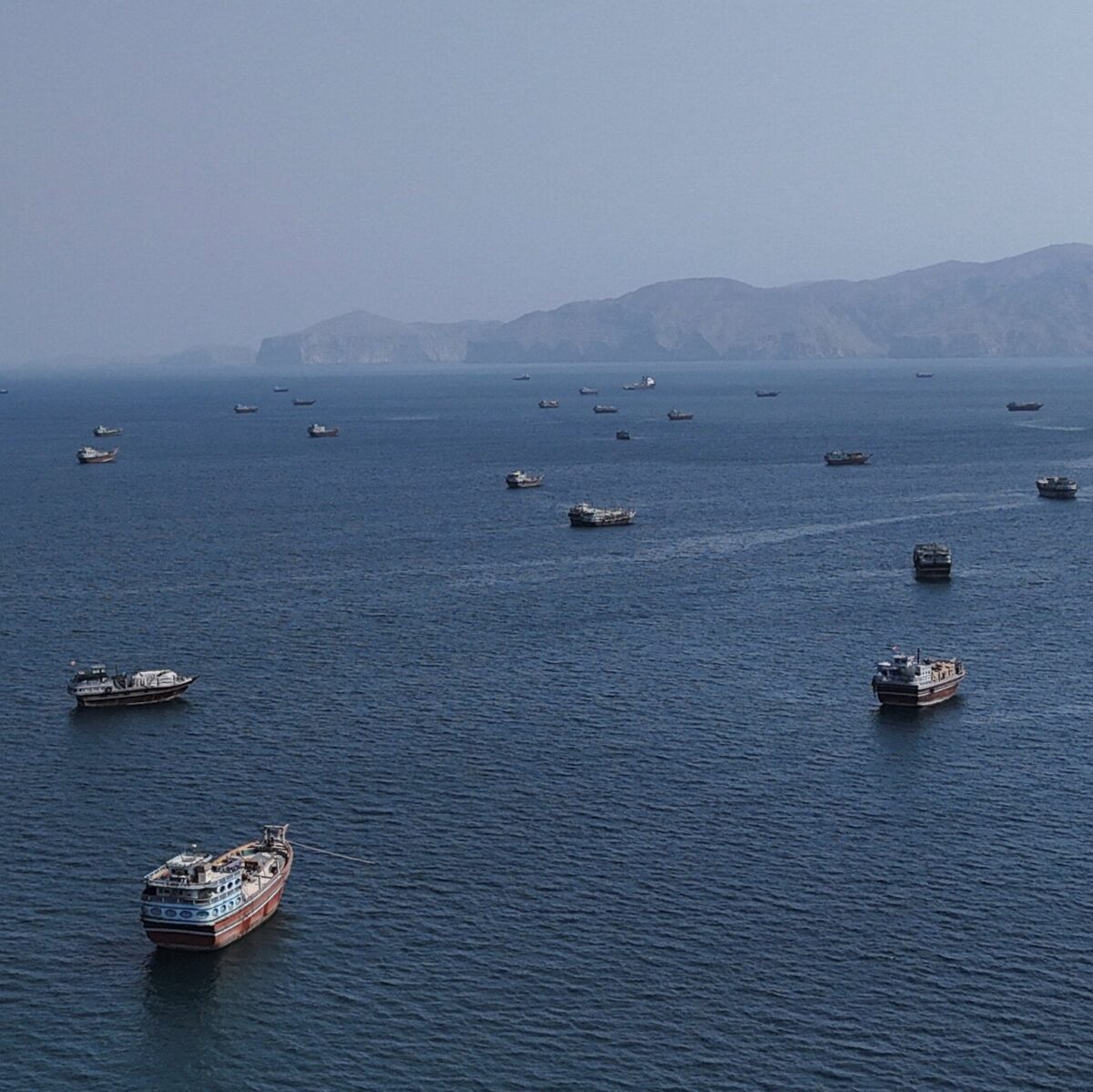
Image: The New York Times
ad slot · in-content video 16:9
Coverage
Wires & papers of record
- More oil is moving through the Strait of Hormuz. What does that mean for Iran’s wartime leverage?
- Departure comes amid large drop in oil receipts, rampant inflation and shrinking economy Iran’s oil minister has resigned days after allegations that an intermediary trust selling Iranian oil abroad owed millions of dollars’ worth of export receipts to the state. Mohsen Paknejad’s departure comes…
- Global bond market sell-off continues and stocks fall amid another wave of potential strikes against Iran Business live – latest updates Oil prices have risen sharply amid fears about escalating tensions in the Middle East and a squeeze on production from the threat of a hurricane off the US…
- A majority of ownership in a proposed multibillion-dollar deal would go to a group of Middle Eastern investors, including some with business ties to U.S. negotiators.
Coverage
- IRGC commander says oil flows through US-supervised route in Hormuz are ‘negligible’.
- Gulf crude exports returned to pre-war levels in September, with producers increasingly relying on alternative routes and ship-to-ship transfers to bypass Hormuz. Iranian exports remain below the pre-war average.
- Crude exports bypassing Hormuz surged in September, yet oil prices remain high. Could a secret fee be the reason?
- Some see record oil production and more alternative routes for delivery once the Strait of Hormuz fully opens.
- Gulf oil flows surge despite escalating ship attacks in the critical Strait of Hormuz energy corridor.
- Oil prices rose on fresh concerns about Middle East supplies, before falling on the possible release of more reserves.
- Three years of war have upended alliances, weakened US influence and reshaped the region’s power balance.
- The S&P 500 moves on days oil prices have gained 3% may come as a surprise.