Science

Science
Thursday briefing: The long, long wait for a male contraceptive pill may soon be over
The Guardian

Science
90-plus-day spaceflights linked to higher rates of hip fractures in astronauts
Phys.org
Science
The incredible science of memory manipulation – podcast
The Guardian

Science
Even high-altitude forests in Switzerland are now weakened by frequent droughts, making natural hazards more dangerous
Phys.org

Science
Women astronauts use social media to reframe science and femininity together
Phys.org
Space
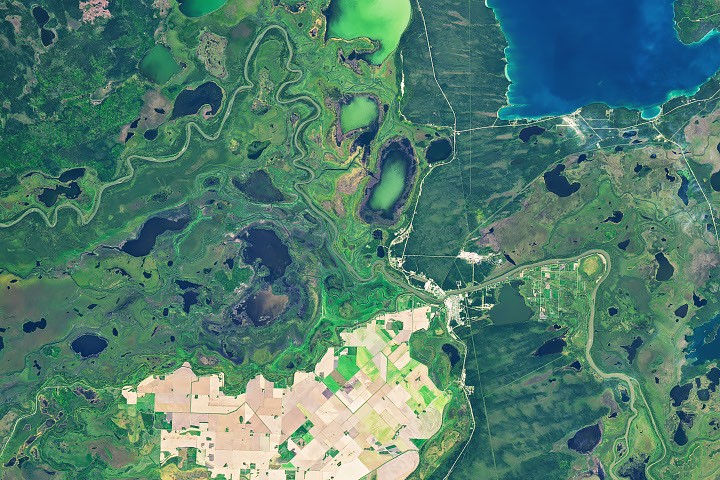
An Agricultural “Island” in the Saskatchewan River Delta
NASA
Science
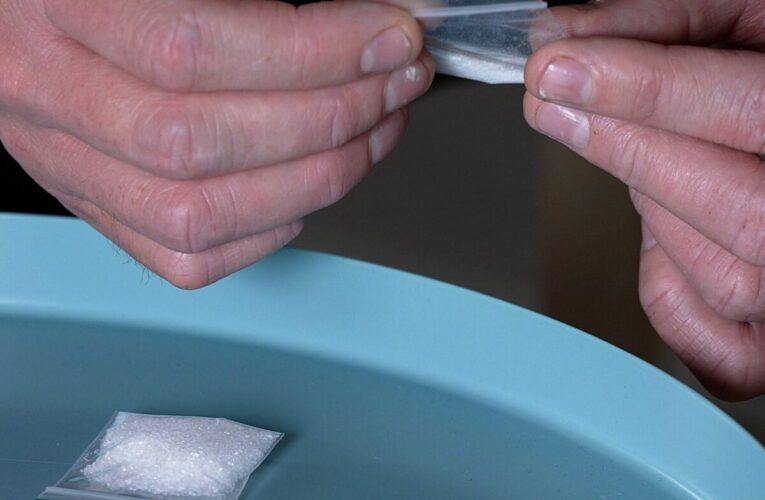
What Role Did Ketamine Play in Cornell’s Alleged Rape Case?

Science
Wildlife tracking to fill gaps in monarch migration research
Phys.org

Science
Celebrity Traitors: Research suggests that some contestants will find the game tougher than it looks
Phys.org
Science
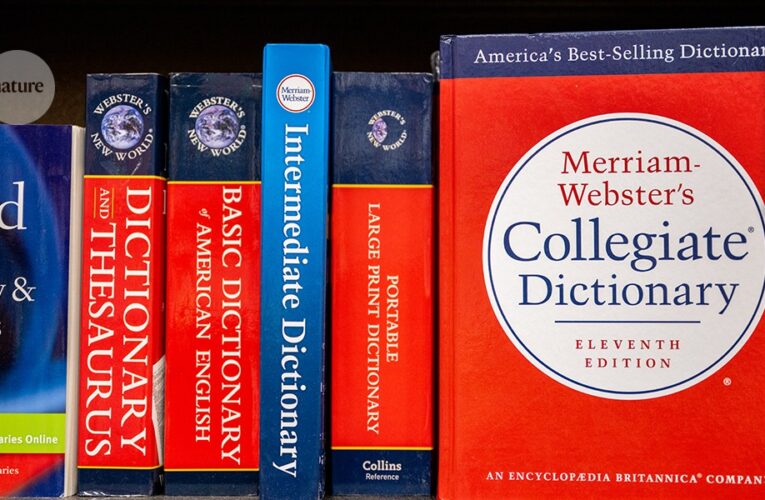
Sign of the times: AI lingo muscles into esteemed dictionary
Nature
N
Health
The ‘missed disease’ that affects 190 million: endometriosis drug shows early promise
Nature
Health
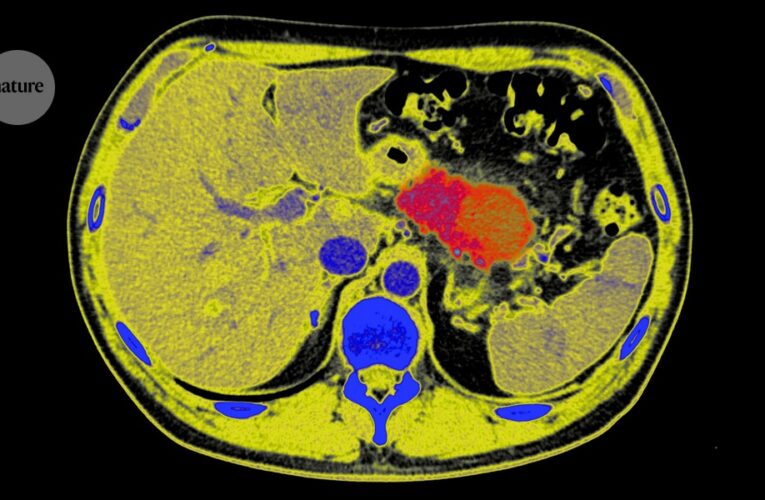
Can pancreatic cancer be stopped in its tracks? Radical tactic raises hopes
Nature
Science
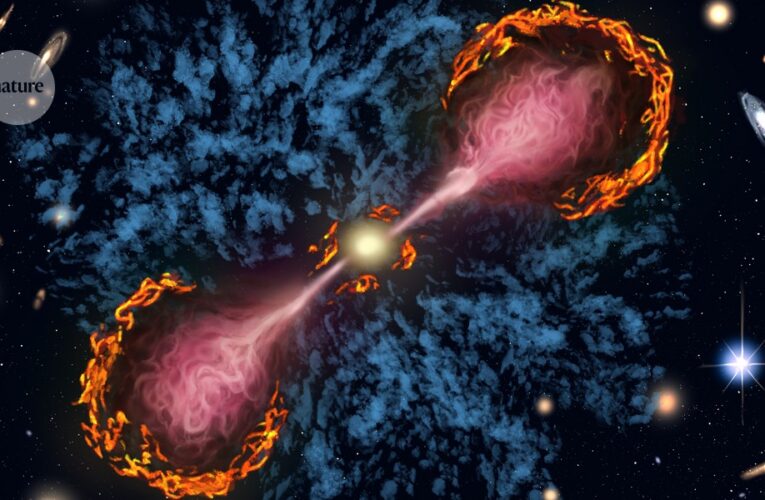
A black hole’s jets have a halo effect
Nature
N
Science
Retraction Note: Ribosomal frameshifting in the CCR5 mRNA is regulated by miRNAs and the NMD pathway
Nature
Science
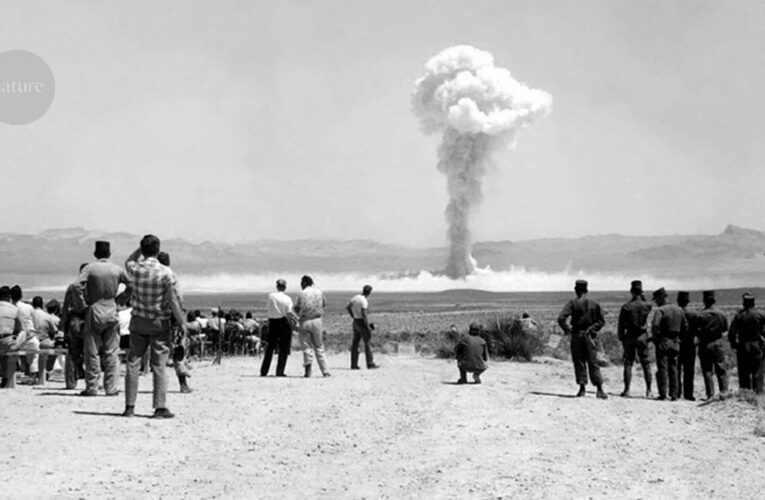
Battle of the Anthropocene: allegations re-ignite row over proposed geologic epoch
Nature
Science
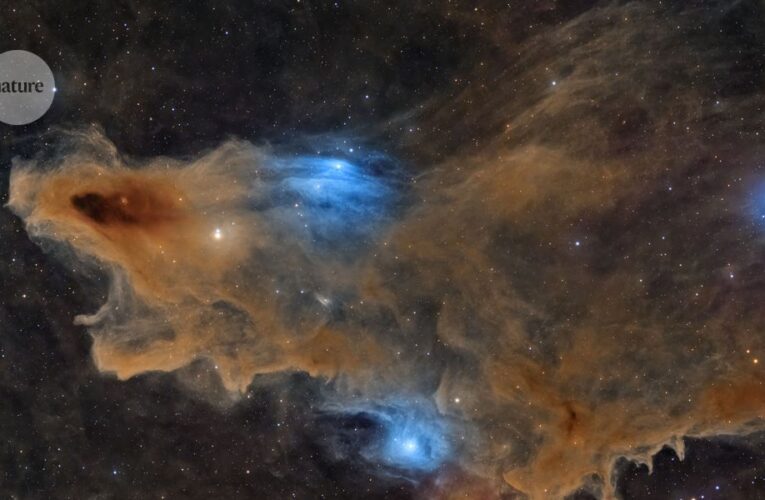
Gaze into the cosmos and through the eyes of a bee — September’s best science images
Nature
Space
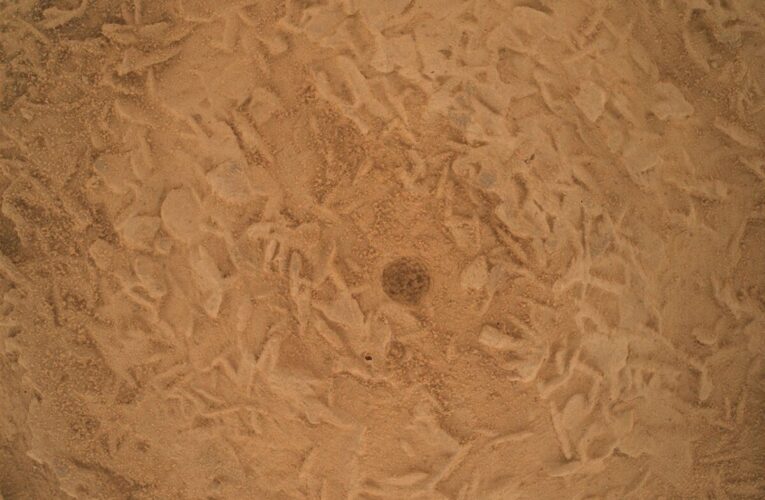
Curiosity Blog, Sols 5016–5021: Fantastic Minerals and How To Detect Them
NASA

Science
Bacteria can make plant-based foods healthier for humans and animals
Phys.org

Science
Why some Ukrainian refugees struggle to rebuild their careers after arriving in Canada
Phys.org

Science
Scientists develop ‘floating scarecrow’ to protect threatened seabirds
Phys.org

Science
Community-led archaeology project uncovers a major monastery of medieval Scotland
Phys.org

Science
How Switzerland lost 20 percent of its ice in five years
NPR · BBC News · The Guardian +7 more

Science
How AI helped bring an ancient tomb dating to before the Roman empire back to life
Scientific American · Phys.org

Science
Key protein for cells’ gene regulation needs a chaperone to do its job
Phys.org

Science
Peruvian mummies raise questions about Wari conquest of Nasca civilization
Phys.org

Science
Ocean predator chemical cues could provide early warnings for toxic algal blooms
Phys.org

Science
Catch a rare lunar occultation of Jupiter plus Saturn at opposition in early October
Phys.org

Health
Fluorescent sensors could help researchers see diabetes in action
Phys.org
Science
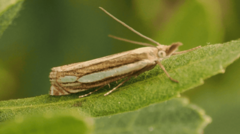
I’m a wildlife cameraman but ‘special’ rare sightings can still take me by surprise
BBC News · BBC News

Science
Digging deep, researchers find high-altitude glacier endured last ice age
Phys.org