Science

Science
Snakes’ appearances linked to how scary or appealing people find them
Phys.org

Science
IVF ‘add-ons’ offer hope to parents desperate for a baby. But are they backed by science?
Scientific American

Science
Why AI-powered romance scams are harder than ever to spot
Scientific American

Science
The Supreme Court faces another term jam-packed with controversy
BBC News · The New York Times · Scientific American +1 more

Science
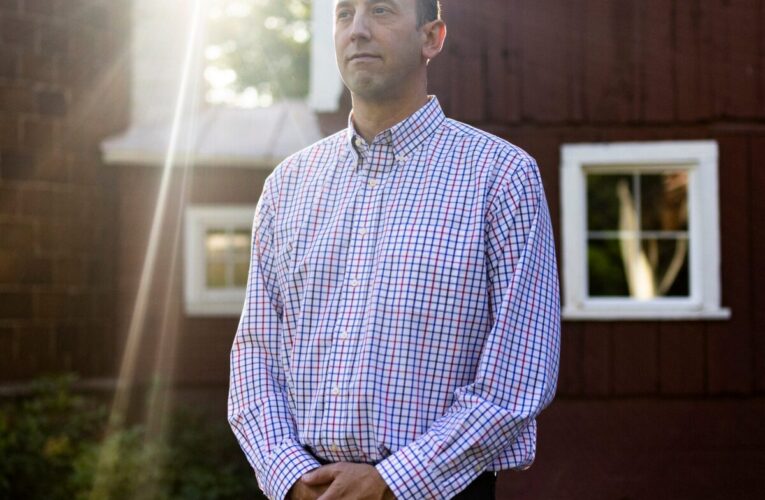
See How El Niño Is Washing Ashore in California
Health
New Cancer Drugs Are Revolutionary. Why Don’t More Patients Get Them?
The New York Times

Science
One-third of world population exposed to harmful air pollution: Monitor
Scientific American · Phys.org
Science
Orionid meteor shower to streak across night sky this week
BBC News

Science
Paw-fect candidate: Australia finds new koala rescue dog
Phys.org
Science
Dead animals found in canal where children row
BBC News

Science
Insects are essential to vertebrate life—as food, shelter and medicine
Phys.org

Science
Dinosaur snacked on seaweed washed up on North American coasts, fossil teeth suggest
Phys.org

Science
Crystal spacing predicts magnetic states in complex alloys better than electron count
Phys.org

Science
Camera system sheds new light on bird collisions at sea

Science
Norwegian 12-year-olds: British English is ‘cringe’
Phys.org

Science
Unlocking AI as a research tool for plant microscopy
Phys.org
Science
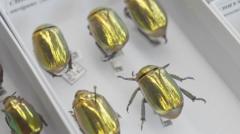
How AI is creating a UK super-museum and revealing our planet’s history
BBC News

Science
Small fields, great diversity: How a diverse patchwork of crops helps birds
Phys.org

Science
The buck stops with me
Nature
Science
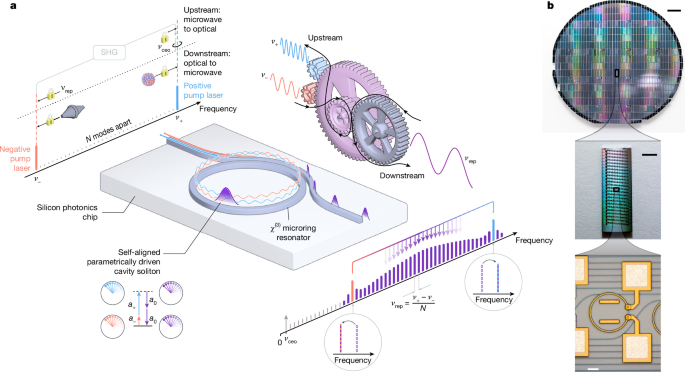
Self-aligned optical microcomb emerging between octave-separated lasers
Nature
Science
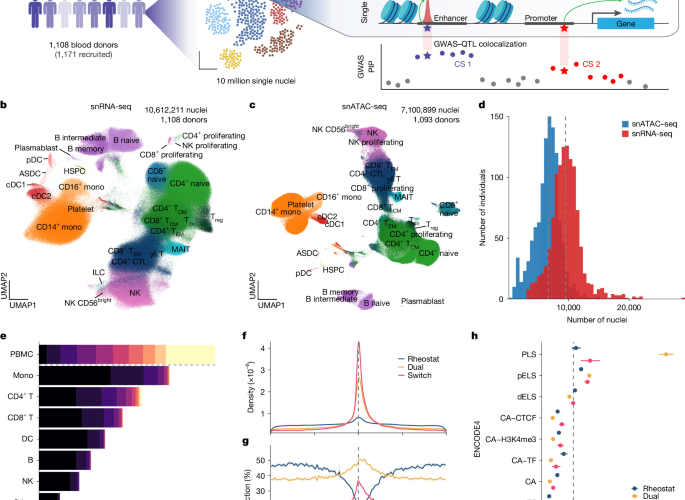
Population-scale immune multiome atlas reveals regulatory disease mechanisms
Nature
Science
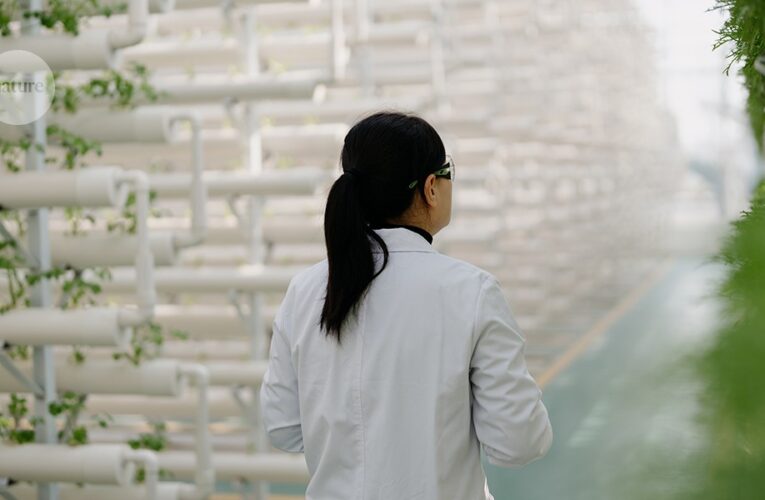
Beware sham scientific societies: the research community must be more vigilant
Nature
Science
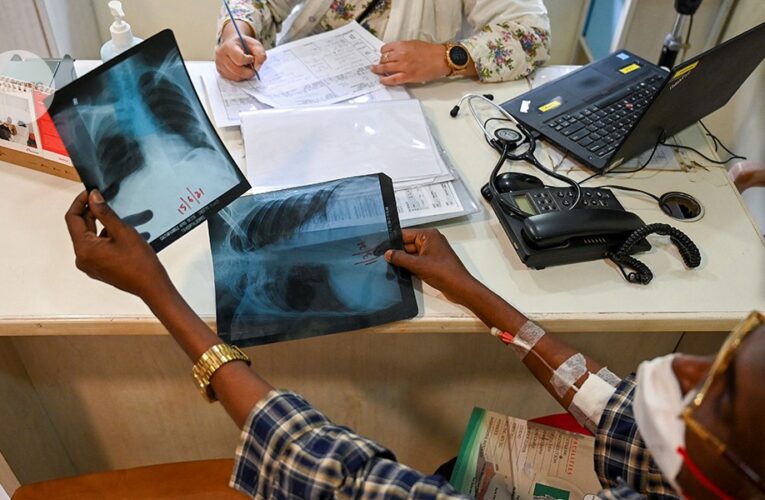
Tuberculosis treatment has advanced — now we need to stop drug resistance dragging us backwards
Nature
Science
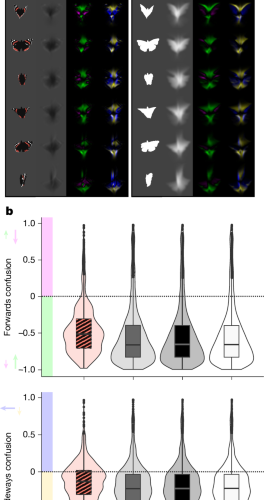
What butterfly wings have in common with barbershop poles
Nature · Ars Technica
Science
Secret watermark labels proteins as ‘made by AI’
Nature
Science
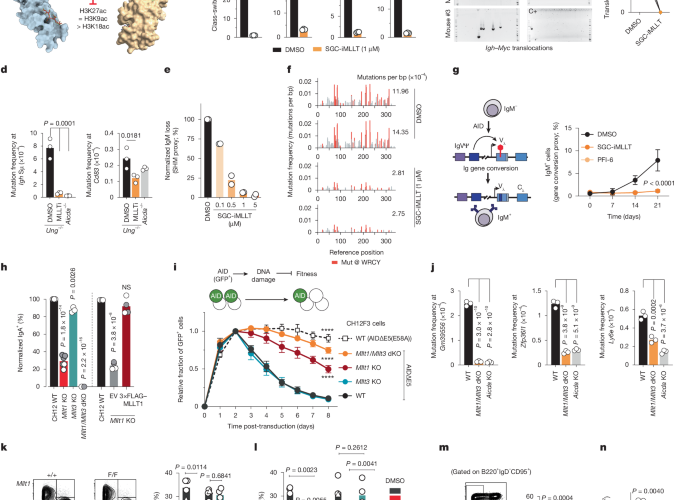
Histone readers MLLT1 and MLLT3 concentrate AID to confer locus specificity
Nature
Science
How did Earth get its water? Inside the extreme machine seeking answers
Nature
Science
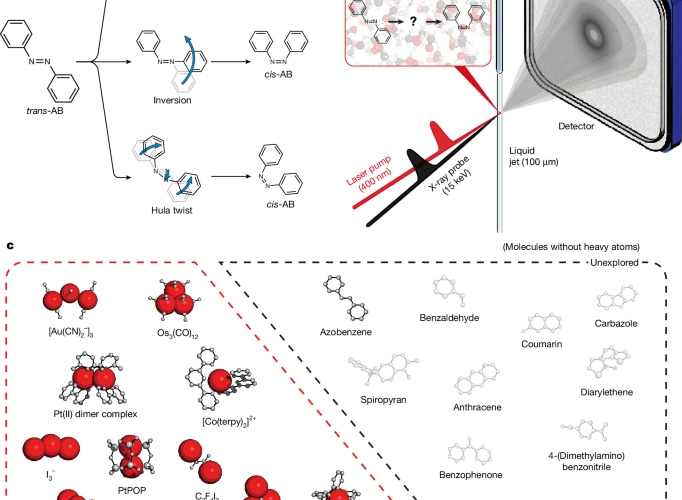
X-ray liquidography decodes complex motions in azobenzene isomerization
Nature
Science
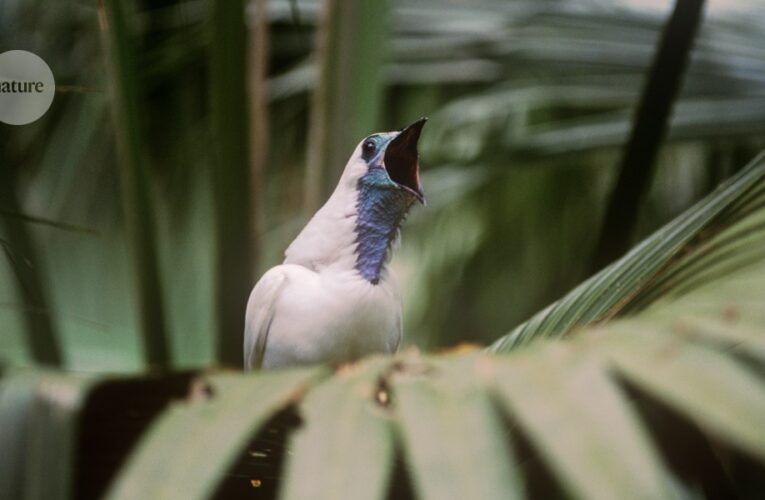
Who’s the loudest of them all? The bare-throated bellbird vies for the prize
Nature
Science
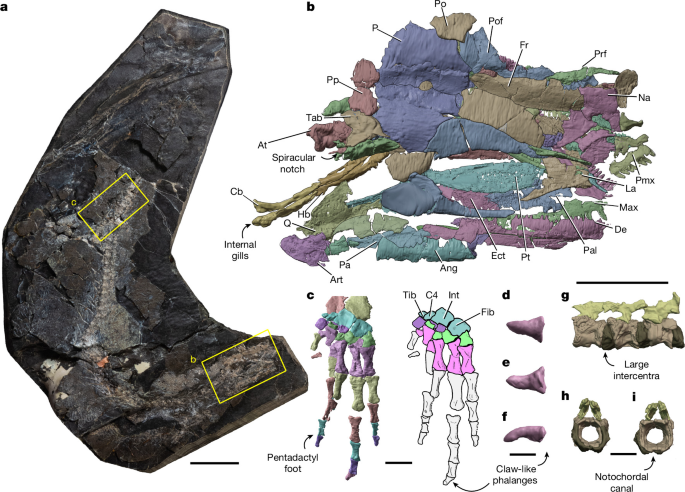
Evolution of terrestrial anatomy revealed by a derived stem tetrapod
Nature