Science

Science
How seeds decide whether to wake up in salty soil
Phys.org

Science
These bacteria can change their diet to survive inside the body
Phys.org

Science
Researchers chart new course for AI-powered biomedical discoveries
Phys.org

Science
Europe’s forests are still standing, but many are losing the ability to recover
Phys.org

Science
How ‘positive’ stress could improve the welfare of zoo animals
Phys.org

Science
Fossil ribs reveal new secrets about ichthyosaur swimming technique
Phys.org
Space
Some satellite companies still have an appetite for boutique launch services
NASA · Ars Technica

Science
Electrochemical system extracts pure hydrogen from ammonia at substantially lower temperatures
Phys.org

Science
Having compassion for oneself is linked to well-being, study finds
Phys.org

Science
‘Alarm bells ringing’: US summer heat shatters record
Phys.org
Science
AI may have solved one of math’s biggest puzzles, raising controversy
Science News

Science
What to know about Europe’s push to compete in space
Phys.org

Science
Why customers accept price rises
Phys.org

Science
3D magnetic-field control reveals new way to tune spin textures
Phys.org

Science
Estuary water quality trends have $100M implications, researchers find
Phys.org

Science
Reports of drug seizures by police rose during first year of decriminalization, study finds
Phys.org

Science
Five‑metal alloy: Scientists create ultra‑stable catalyst for fuel cells

Science
Discontinuity and disorder: Explaining the luminosity bump in evolved stars
Phys.org

Science
Long-lost fish species rediscovered in another section of the Inn River
Phys.org

Science
Helium measurements clarify conditions seconds after the Big Bang
Phys.org

Science
You can’t shield kids from scary news—here’s what ‘Sesame Street’ and other children’s shows did after 9/11
Phys.org

Science
AI reveals new class of cellular ‘off switch’ linked to cancer pathways
Phys.org
Space
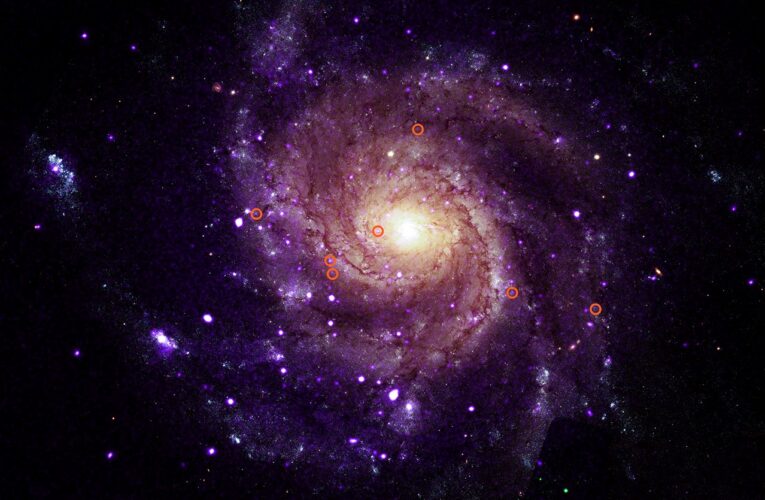
NASA’s Chandra Spots Galactic Gem
NASA · NASA · Phys.org

Science
Body-related TikTok content linked to self-objectification and mood
Phys.org

Science
When it comes to Beatles references, scientists can’t let it be
Ars Technica · Phys.org

Science
Fossils from embryo to adult suggest how an enigmatic, bird-like troodontid dinosaur grew
Phys.org
T
Science
Scientists Discover the Earliest Evidence of Drug Use in Really Old Teeth
The New York Times

Science
Asian elephants can resist impulsive behavior, researchers find
Phys.org

Science
JWST discovers that Chariklo’s invisible rings are changing
Phys.org

Science
Ice Age origins of one of humanity’s oldest drug habits discovered
Phys.org