Science

Science
Computer-designed protein targets immune receptor linked to inflammation at new ‘undruggable’ site
Phys.org

Science
Small changes can have a big impact on sustainability transitions
Phys.org

Science
California Sues to Block Trump From Weakening Fuel Economy Rules
The New York Times
Space
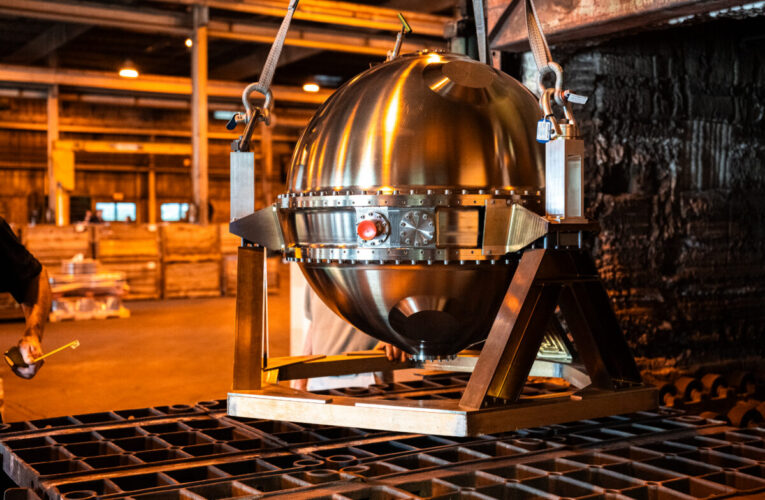
NASA’s DAVINCI Probe Can Stand the Heat
NASA

Science
Scientists zero in on tiny particles to improve weather and air quality forecasts
Phys.org

Science
How does interdisciplinary collaboration work in practice? Three takeaways for teachers
Phys.org

Science
Could a giant iceberg really break off Greenland? Scientists check Tom Cruise’s new movie Digger
Scientific American
Science
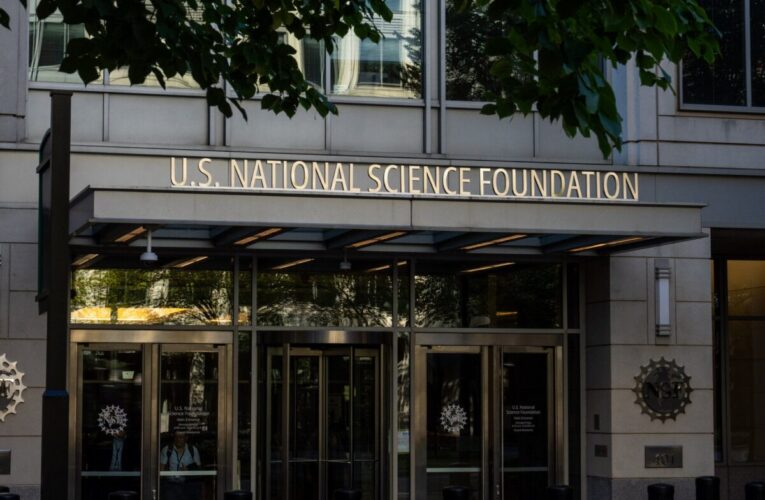
National Science Foundation Diverted $1.4 Billion in Science Funds Mandated by Congress
The New York Times

Science
Mirror-image crystals reverse the direction of light-driven currents
Phys.org

Science
Forestry experts author national guidance on disaster preparedness
Phys.org

Science
Q&A: How will quantum computers change society?
Phys.org

Science
New algorithm makes maps of gene activity easier to compare while preserving cell-level detail
Phys.org

Science
2026 has been a record hot year for the U.S.—it can only get worse
Scientific American

Science
Animals may have evolved vastly earlier than fossil evidence suggests

Science
Smart silicone coatings can change their friction and stickiness as surroundings reshape nanoscale layers
Phys.org

Science
Fluorescent test speeds screening of thousands of enzyme variants that modify plant compounds
Phys.org

Science
Millions of years of evolution guide AI search for pollution-fighting enzymes
Phys.org

Science
Enzymes become sturdy beads that could support more sustainable chemical production
Phys.org
Space
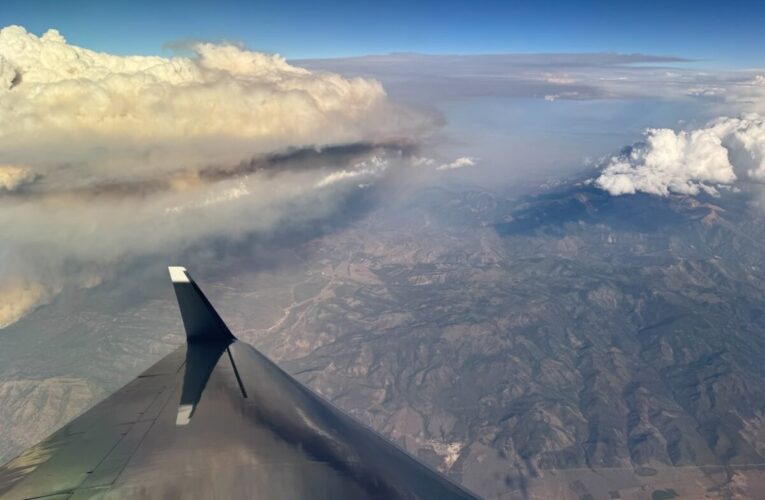
NASA Campaign Explores Clouds Spawned by Wildfires
NASA

Science
This weird particle may have come from a black hole exploding in another dimension
Scientific American

Science
How stars shine: Infrared observations expose gaps in models of how stars distribute their light
Phys.org

Science
Q&A: Why are red squirrels endangered—and can we save them?
Phys.org
Space
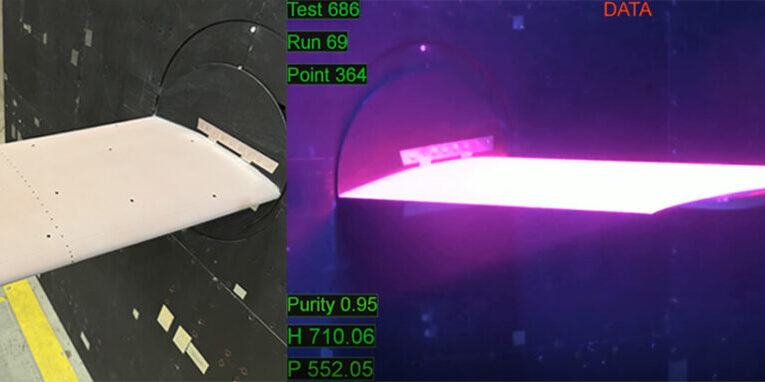
NASA Model Wing Lights Up During First Pressure Sensitive Paint Tests
NASA

Science
What space travel teaches us about sleep and circadian rhythms
Phys.org

Science
Iron Age skulls reveal some babies had flat head syndrome—long before the ‘Back to Sleep’ campaign
Phys.org
Science
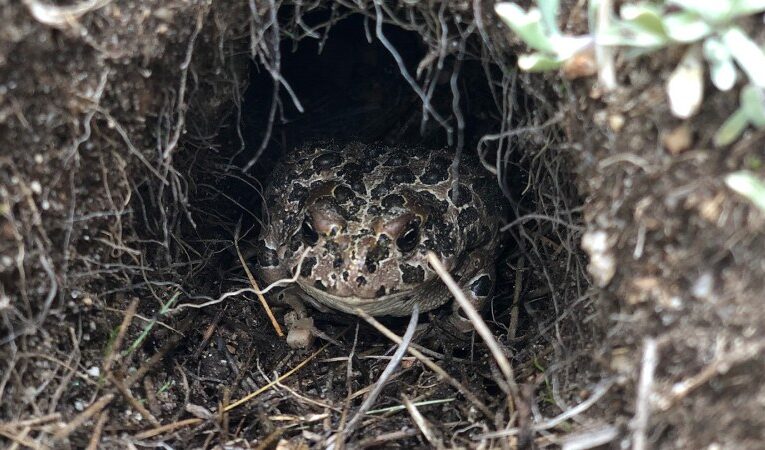
Young Yosemite toads survive winter, then emerge with a deadly fungus
Science News

Space
NASA Opens Applications for Next Class of Flight Directors
NASA

Science
Multilingual readers report higher enjoyment and more daily reading, survey finds
Phys.org
Science
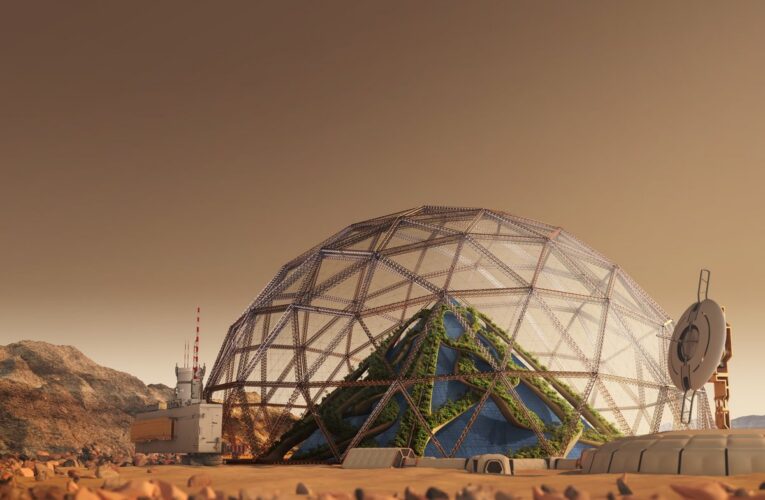
Can bioengineered bacteria help terraform Mars?
Scientific American

Science
New study reveals how national cyber positions can shape the future of international law
Phys.org