Science

Science
Artisans turn old São Paulo subway construction uniforms into backpacks
Phys.org

Science
Yosemite toad killer may be hiding in their own homes
Phys.org

Science
AI method predicts retention times of small molecules more reliably
Phys.org

Science
Viewer impatience may explain why ads lasting ten seconds or less outperform longer spots
Phys.org

Science
The 2025 Kamchatka tsunami kept the Pacific ringing for more than ten hours. Its rhythm could help tsunami warnings
Phys.org

Science
Global pollination analysis reveals climate explains specialized partnerships better than latitude
Phys.org

Health
Salivary gland mini-organs grown from pluripotent stem cells offer potential path to treating severe dry mouth
Phys.org

Science
Engineer brings ‘surgineering’ mindset to future of medicine
Phys.org

Science
How the biological clock regulates phases of wakefulness
Phys.org

Science
The ocean as a medicine cabinet: Researchers search for useful microbes
Phys.org
Space
NASA Awards Enterprise Logistics Support Services Agreements
NASA

Science
Machine learning detects bacterial invasion and DNA damage in human cells
Phys.org

Science
EarthCARE’s view of volcanic plume boosts air safety
Phys.org

Science
Learning math goes (slightly) better with AI, but human teacher plays a key role
Phys.org
Science
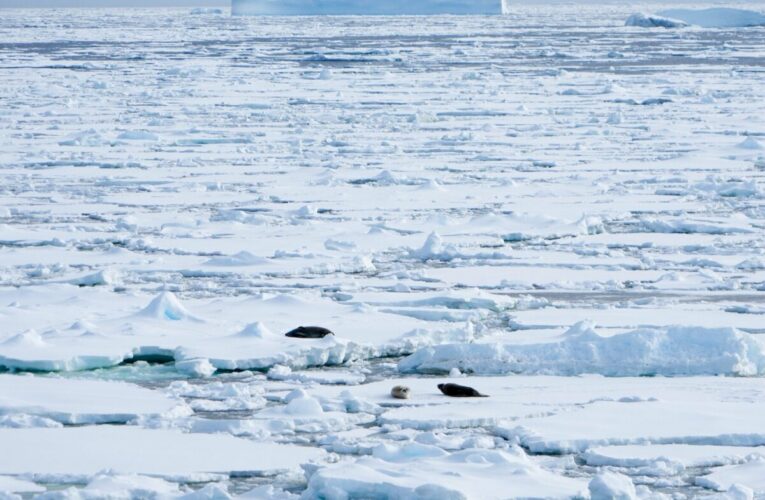
The MacArthur ‘Genius’ Studying Sea Ice Secrets
The New York Times

Science
How cities and extreme rainfall shape each other

Science
Crystals thinner than human hair can move or partly dissolve when exposed to chloroform
Phys.org

Science
Pickpockets and poets—creating elite mindsets in soccer
Phys.org

Science
Hidden ‘funnels’ let complex systems slip between stable states
Phys.org

Science
Trehalose analog provides a new platform for designing water-soluble glycopolymers
Phys.org

Science
Python removal index identifies large females as key targets for limiting population growth
Phys.org

Science
Social media hasn’t killed personal style, it’s killed how we communicate it
Phys.org

Science
Ultra-precise coatings help power the next generation of gravitational wave detectors
Phys.org

Science
How North Korean defectors help us understand refugee entrepreneurs
Phys.org

Science
Desert alga reveals how fast growth and resistance to extreme conditions can coexist
Phys.org

Science
Bike‑sharing programs can help cities reduce emissions and congestion
Phys.org

Science
True identity emerges from lived experience, not hidden essence, research finds
Phys.org

Science
Viral enzyme cuts bacterial sensor protein, triggering defense against invading phages
Phys.org

Science
Precisely patterned molecular threads boost neuron growth and synapse formation in cell cultures
Phys.org
Science
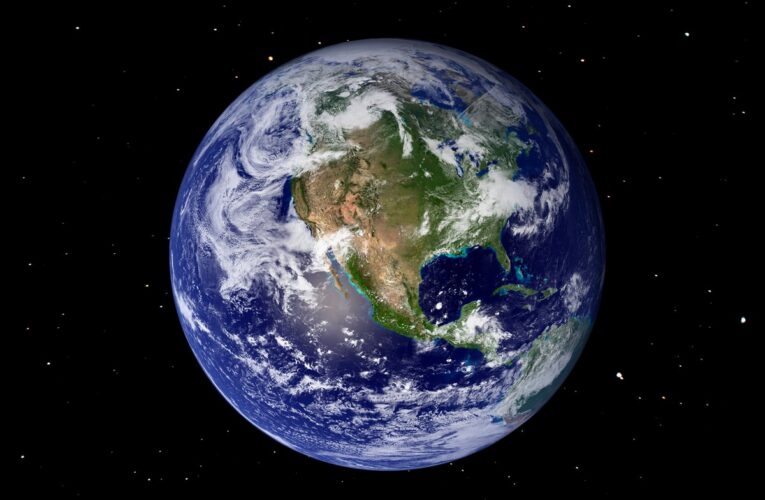
Ancient sea levels reveal when the Earth’s poles went wandering
Scientific American · Phys.org