Science

Science
Satellite analysis finds little evidence that data centers cause widespread ground warming
Phys.org

Science
Fireworks provide a few minutes of joy, but the economic and environmental costs last much longer
Phys.org

Science
Science advocates react to Democrats’ historic midterm rout: ‘It’s a new day in Washington’s
Scientific American

Space
Satellites leak noise that interferes with telescopes and GPS. Here’s how to fix it
Phys.org

Science
Nature’s looking glass: Crafting mirrors from plants
Phys.org
Space
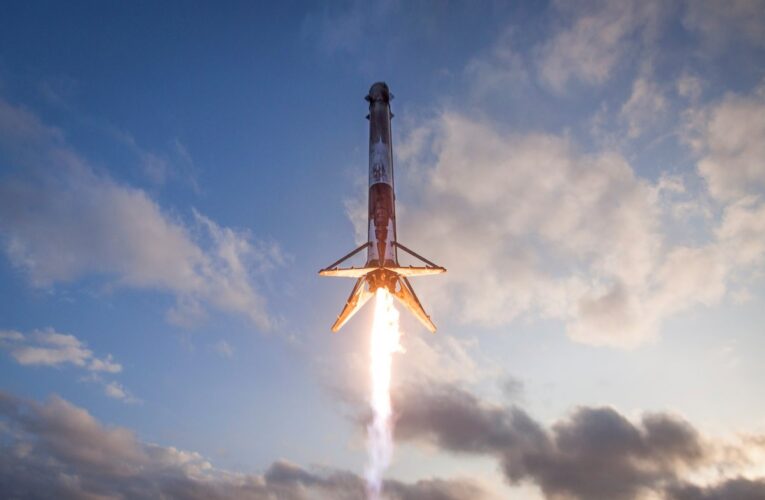
Could SpaceX’s retirement of Falcon 9 spark a launch crisis?
Scientific American

Science
Speaking in a second language may shift your moral compass—but it can’t overpower it
Phys.org

Science
New species of pygmygoby discovered at the edge of the Red Sea’s unexplored deep reefs
Phys.org
Space
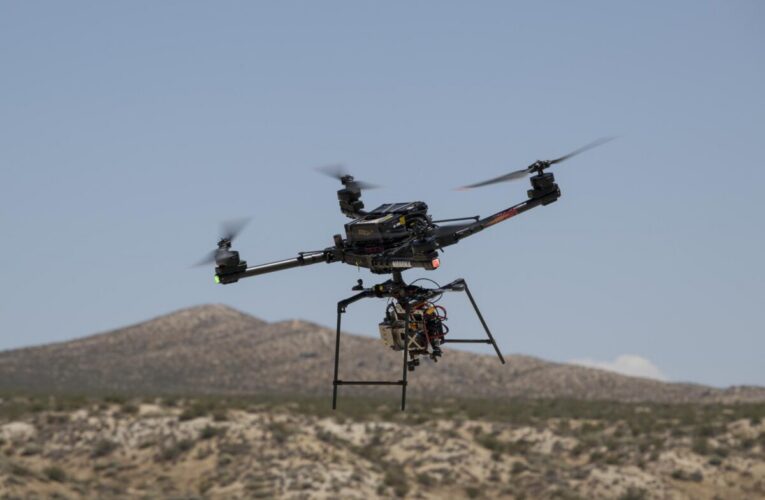
NASA Navigation Experiment Shows Promise for Planetary Landings
NASA · Phys.org

Science
Intercropping could improve animal feed and reduce environmental impact
Phys.org

Science
Pulsars set first mass limits on supermassive black hole pairs in the early universe
Phys.org

Science
A new tool helps target conservation and pollution control on the Ganges River
Phys.org

Science
Tracing Darwin’s finches’ deadly new invader—the avian vampire fly
Phys.org
Space
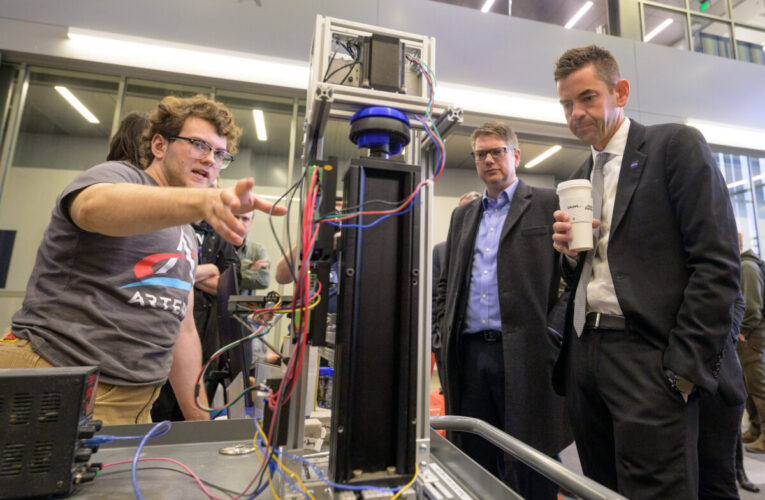
NASA Space Grant Students Fuel Agency’s Inspiration Tour
NASA

Science
From ABCs to geometry: Kindergarten readiness linked to math achievement through ninth grade
Phys.org

Science
New modeling links gaps in Earth’s geological record to rising and sinking continents
Phys.org

Science
Tracing the spread of Celtic languages using ancient genomics
Nature · Nature · Phys.org

Space
Giant planet emerges from two-year-old JWST data thanks to glare-removal technique
Phys.org

Science
Researchers use seasonal satellite imagery to map shrub encroachment in Inner Mongolia grasslands
Phys.org

Science
Foot-stiffening socks could make walking less tiring
Phys.org

Science
New Research Tests Whether AI Models Know Their Own Thoughts
Quanta Magazine

Science
Secrets of the avian calendar: When do migratory birds have the opportunity to reset their schedule?
Phys.org

Science
Lecturers and students see AI use very differently, study finds
Phys.org
Space
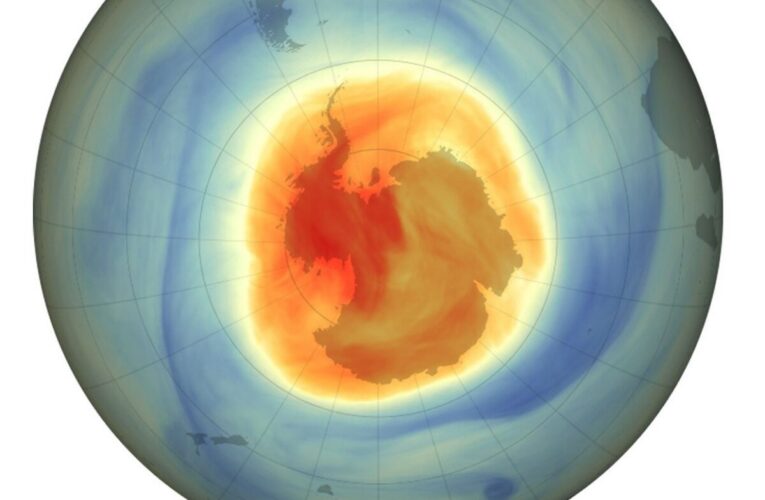
NASA, NOAA Track 2026 Antarctic Ozone Hole
NASA · Phys.org

Science
Wild animals can now GPS-collar themselves for research
Phys.org

Science
Millions of bogong moths are blanketing cities in Australia, and they are still endangered
Phys.org

Science
Seagrass helps Biscayne Bay’s mangroves keep up with rising seas
Phys.org

Science
Study reveals how five tuna species respond to changing Mediterranean conditions
Phys.org

Science
How does mental fatigue begin in the brain?
Scientific American
Science
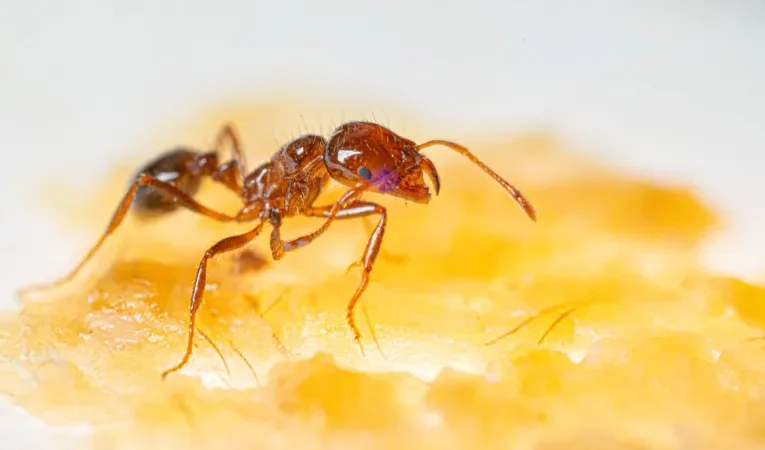
Earwax’s surprisingly slippery but sticky properties deters insects
Science News