Science

Science
Why disaster risks are systemic and co-evolutionary
Phys.org

Science
The two ways rings are carved around a newborn star
Phys.org

Space
NASA+ Content Coming to Big Screen at Greenbelt, Maryland Cinema
NASA

Science
A common language for pistachio growth: Researchers develop a crop-monitoring scale
Phys.org

Science
Novel Experiments Expand the Hunt for ‘Ultralight’ Dark Matter
Quanta Magazine · Phys.org · Phys.org

Health
Mpox cases are on the rise again in Brazil – just as an antiviral drug fails in trials
The Conversation

Space
Teams Lock in Mission Architecture for NASA’s SR-1 Freedom
NASA

Science
Evolution keeps returning to simple leaves
Phys.org

Science
Vaporized rock reveals titanium oxide around massive young star for first time
Phys.org

Science
Body-positive imagery in ads resonates differently with men and women, study finds
Phys.org

Science
Planktonic hyperiidean amphipod confirmed in the Aegean Sea, and a new study shows how to identify subadult males
Phys.org

Science
Brighter signals, cheaper tests: Researchers team up to bring lab-grade detection to smartphones
Phys.org

Science
Panic buying? Gradual stockpiling makes for better ‘prepping’ without emptying supermarket shelves
Phys.org

Science
What is resilience? It may be less about bouncing back than we think
Phys.org

Science
DebunkBot can quash emerging conspiracy theories
Phys.org

Space
Amateur Astronomer? Be a Kilonova Catcher!
NASA

Space
NASA’s Northrop Grumman CRS-25 Mission Overview
NASA
Science
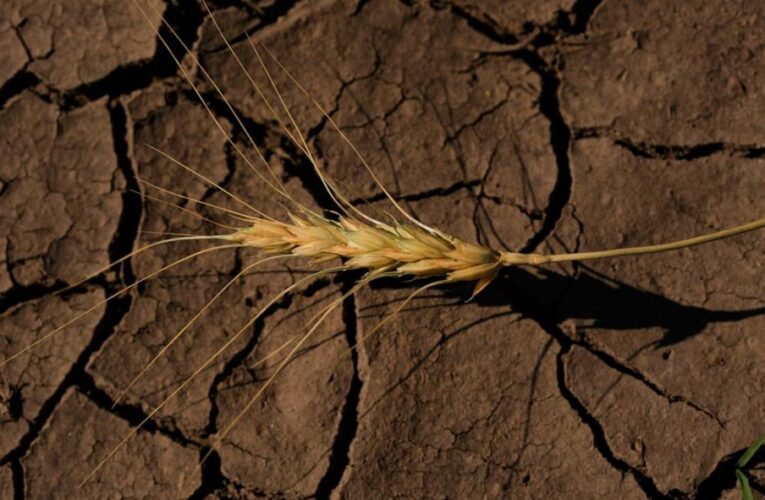
Companies are getting less accurate data on extreme weather just when they need it the most

Science
Highly sociable Indo-Pacific bottlenose dolphins with predictable group size preferences may live longer
Phys.org

Science
Scientists pinpoint DNA copying ‘traffic jams’ impacting genome stability
Phys.org

Science
Read The Age of Alchemy by Kit Chapman with Scientific American in December
Scientific American
Science
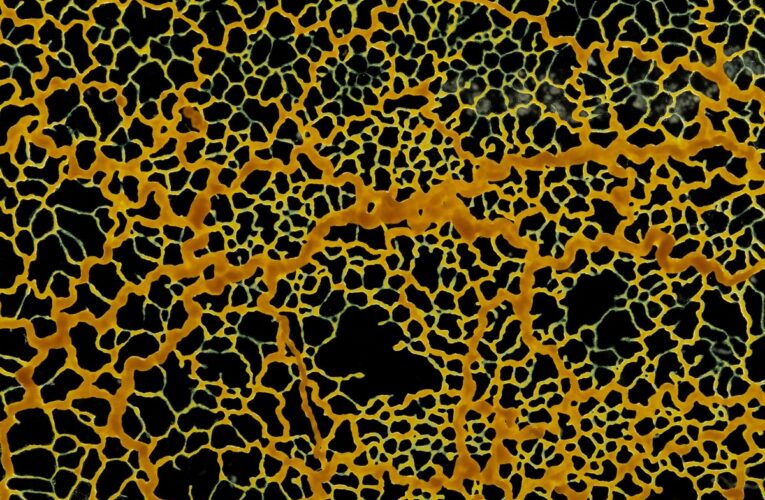
Slime molds beat mathematicians at complex problems
Scientific American

Space
AGU Hyperwall Schedule
NASA

Science
Selective logging can better preserve subtropical forest adaptive capacity than clear-cutting
Phys.org

Science
Biologists sort bacteria-killing peptides by speed: Slow is smooth, smooth is more effective
Phys.org

Science
Birds respond more quickly to predators in habitats with greater species diversity
Phys.org

Science
New system enables highly sensitive detection of trace hydrogen
Phys.org

Science
A unified framework for carbon dioxide removal—with an ocean view
Phys.org · Phys.org

Science
Getting blood out of bone
Phys.org

Science
New theoretical model allows for sustained entanglement between diamond qubits at greater separations
Phys.org