Science

Science
Same farms, different answers: When nitrogen pollution estimates don’t add up
Phys.org

Science
Hidden ‘master switch’ allows bacteria to breach the body’s defenses
Phys.org

Science
‘Planimal’ cells retain nearly entire algal genome after experimental cell fusion
Phys.org

Science
These are some of the strongest 3D printer filaments for durable parts
Engadget · Phys.org

Science
Genomic analysis restores species status to 12 overlooked Great Barrier Reef corals
Phys.org

Science
Common ADHD classroom accommodations may not help students succeed, study finds
Phys.org

Science
Happy face, angry voice: Human–dog interaction study tracks conflicting cues
Phys.org

Science
A perfect couple: Chromium keeps ruthenium grounded in water electrolysis
Phys.org

Science
A newly discovered South African dinosaur was a heavyweight even as a youngster
Phys.org

Science
Molecular sensor makes invisible traces of mercury easier to see
Phys.org

Science
Fruit fly sleep protein yields peptides that inhibit drug-resistant bacteria in lab tests
Phys.org

Science
New genetic atlas reveals traces of 10,000 years of sheep breeding
Phys.org

Science
Mountain growth spurts may have sparked complex life on Earth
Phys.org

Science
In National Geographic’s “Expedition: Saving Our Seas,” it’s all hands on deck
Science News

Science
Combining five metals in one oxide improves ethanol gas sensing
Phys.org

Science
Water-activated polymer forms solid shapes underwater and bonds glass fragments
Phys.org

Science
Climate could force more than 200 billion from homes: U.N. migration chief
Phys.org

Science
Who lives in a sponge under the sea? Tiny Caribbean fish and their microscopic neighbors
Phys.org

Science
From stimulation to suppression: How nitrogen addition changes soil respiration over time
Phys.org

Science
Oceans and forests have absorbed roughly half our carbon emissions for decades, slowing climate change – but can they keep it up?
The Conversation

Science
How Chinese brewers refined their booze 5,000 years ago
Phys.org

Science
Kindergarten teachers offer cognitive help during outdoor play but fall short on emotional and social support
Phys.org

Science
Self-learning AI separates particle jets from background noise in simulated heavy-ion collisions
Phys.org

Science
Colorful fish reveal how species stay distinct despite interbreeding
Phys.org

Science
Rh₃ clusters balance activity and butene selectivity in butane dehydrogenation
Phys.org

Science
Heat drives electron orbital currents, revealing first experimental evidence of orbital Nernst effect
Phys.org

Science
Scientists successfully swap all fish products in aquafeed to boost sustainable fish farming
Phys.org

Science
Cryosphere decline beyond safe planetary limits, putting conditions for human society at risk
Phys.org
Space
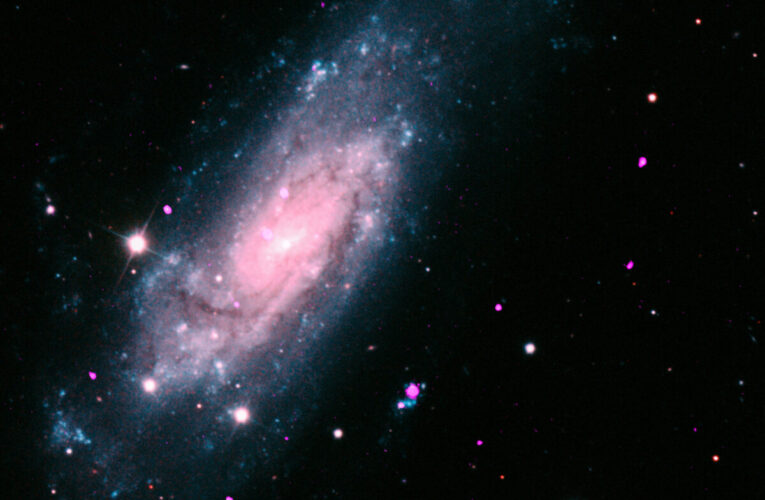
Outbursts from a Massive Star
NASA

Science
Gemini and DECam showcase a young Type Ia supernova
Phys.org