Science

Science
Scientists demonstrate AI-designed enzyme for drug synthesis
Phys.org

Science
Chemically modified sugars enable direct nanostructure formation
Phys.org

Science
The psychology of why we overpay for used cars—study points to left-digit bias
Phys.org

Science
Plain silicon grating reveals a hidden ‘twist’ in light from electron beams
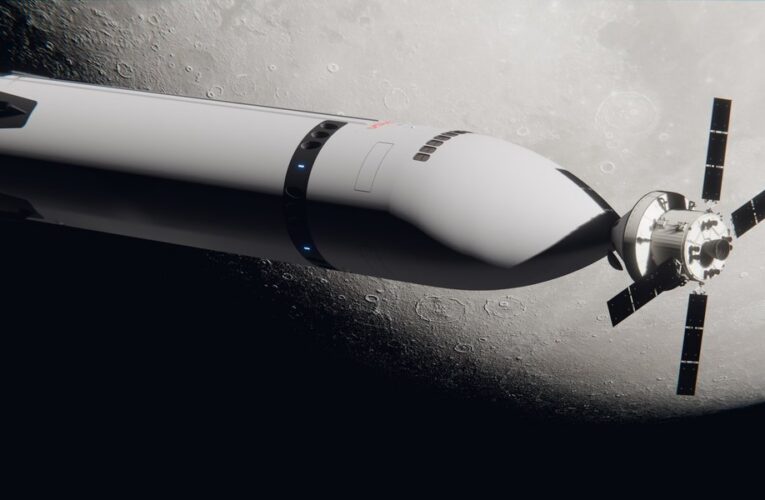
Space
NASA lays out a packed 14-day schedule for 2027’s Artemis III moon mission

Science
Elections are more predictable than they look
Phys.org

Science
Bacteria reinvent their weapons through selection, chance and gene swapping
Phys.org

Science
New marker panel and free web tool help track stem cells as they develop
Phys.org

Science
Can we stop antibiotic resistance from ruining promising drugs before they reach patients?
Phys.org

Science
Potatoes could be the secret to better plant-based meat, say food scientists
Phys.org

Science
Everyday Mylar turned into a promising insulator for lunar habitats
Phys.org

Science
Chaos makes sense of market movements in a crisis
Phys.org

Science
Stellar collision may explain why Orion Nebula’s planet-forming disks appear younger than its stars
Phys.org

Science
Scientists uncover the molecular pillars that shape our cells’ powerpacks
Phys.org

Health
Mechanism behind PARP1-mediated DNA repair characterized, offering insight into targeted cancer therapy
Phys.org
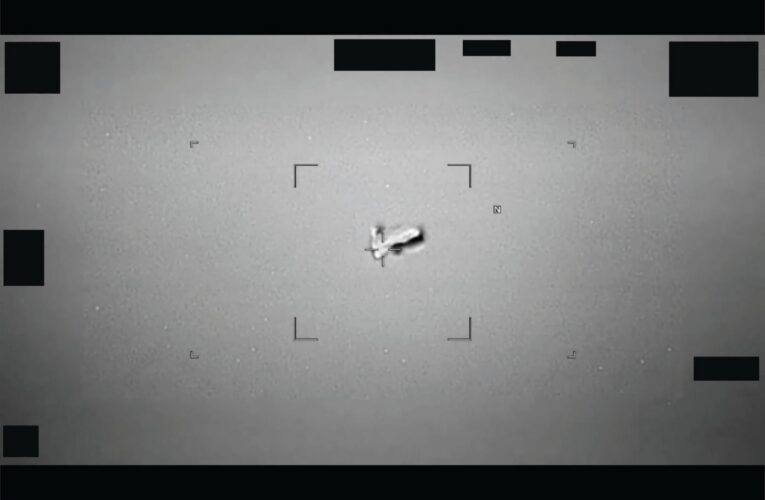
Science
Strange triangular craft reported in new U.S. government UFO release
Scientific American

Science
Hoarders without borders: Study suggests investors aid international expansion
Phys.org
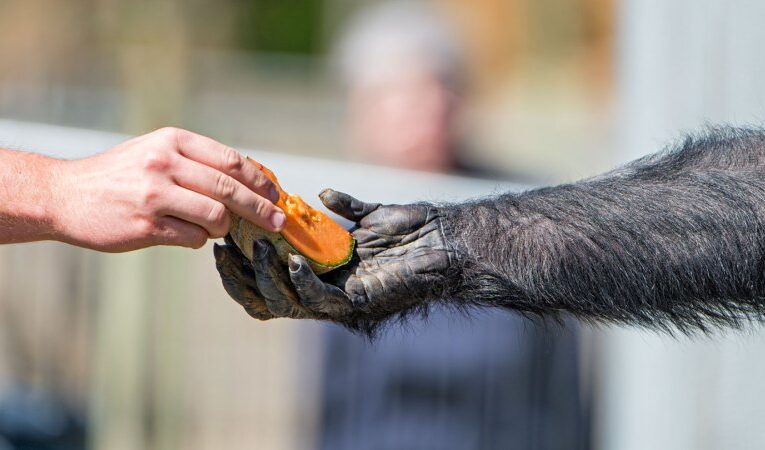
Science
Why did humans’ brains surpass chimps’? A tiny foe might help explain it
Science News

Science
From sea anemone to human fertility: A new research organism for understanding meiosis
Phys.org

Science
An ancient virus in chimpanzee DNA switches off a gene that is active in humans
Phys.org

Science
As flood risk rises, some communities question the idea of resilience
Phys.org

Science
Paleolithic human DNA reveals east-west connections across Ice Age Europe
Phys.org

Science
The Trump administration is considering a ‘heat ray’ weapon for the border—here’s what to know
Scientific American
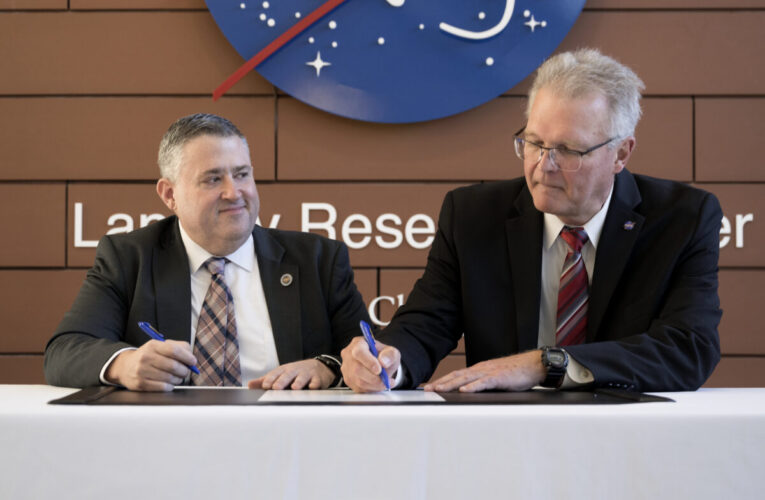
Space
NASA, Virginia Launch Power Partnership for Energy Security
NASA

Science
AI is solving math problems that stumped humans. What comes next?
Phys.org

Science
Massive carbon stocks in grasslands are ignored by climate finance
Phys.org

Science
Disaster recovery work temporarily boosted short-term physical and mental benefits for men
Phys.org

Science
Marine heat waves suppress nutrient use, reproductive flexibility in humpback whales
Phys.org

Science
Fear‑based campaign ads can grab attention, but whether they win votes is less clear
Phys.org

Science
Strategic new protections could link 13 Pacific deep-sea reserves into connected network
Phys.org