Science

Science
Chip identifies cells by their electrical signature, then separates them with a precisely aimed sound wave
Phys.org

Science
From remedy to prevention: Researchers call for proactive approach to protect the human right to water
Phys.org

Science
Monkey foot and palm prints differ between individuals, as they do in humans
Phys.org

Science
Misunderstandings about statistics common even among experienced researchers
Phys.org

Science
Spain’s massive stone tombs reveal collective burials continued well into Bronze Age
Phys.org
Science
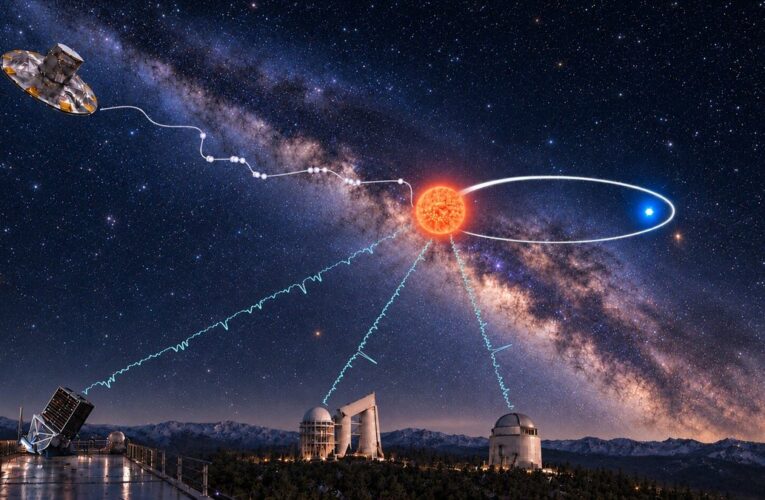
A likely supermassive neutron star might shed light on the mass gap between neutron stars and black holes
Scientific American · Phys.org
Science
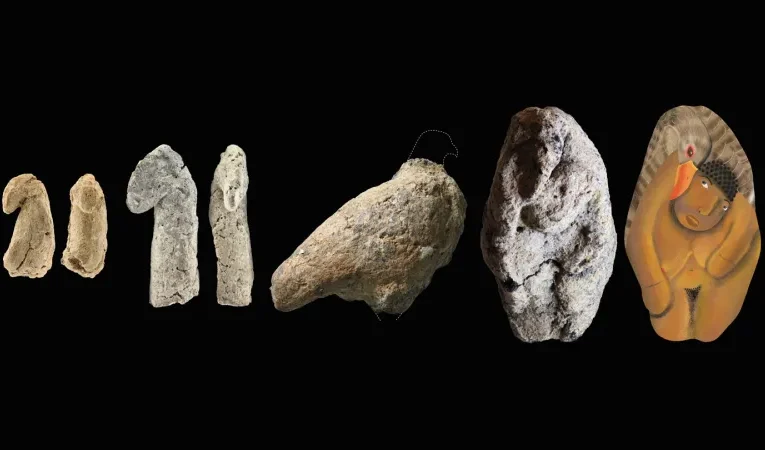
Stone Age children left fingerprints on ancient art projects
Science News
T
Science
The Russian Scientist Behind the Deadly Novichok Nerve Agents Has Died
The New York Times

Science
Frozen sperm enables embryo development in endangered Japanese bird for first time—but chick fails to hatch
Phys.org

Science
Overheating cattle: More and more dangerous heat is coming for northern Australia’s herds
Phys.org

Science
Excess reliance on AI could harm independent thinking in humanities education
Phys.org

Science
3D protein complex model sheds light on barley grain dormancy
Phys.org

Science
Taking into account the role of neglected farmer groups in recharging groundwater
Phys.org

Science
Centaurus A in the spotlight: Plasma simulations reproduce black hole jets’ mysterious bright edges
Phys.org

Science
Argon on Uranus and Neptune may reveal more about their origins than their interiors
Phys.org

Science
Why some dinosaurs get all the attention and others don’t
Phys.org

Science
A gold–copper strategy for building interlocked nitrogen-doped carbon nanohoops
Phys.org

Science
About 15,000 land vertebrate species could lose habitat to sea-level rise by 2100
Phys.org

Science
Plants feel the heat: How a protein ‘thermometer’ helps plants adapt to climate
Phys.org

Science
Nuclear softening at an embryo’s two-cell stage may be vital for further embryonic development
Phys.org

Science
Even cacti are severely threatened in a warmer, drier world
Phys.org

Science
New review explores how faint ‘glow’ from plants could transform global monitoring of photosynthesis
Science
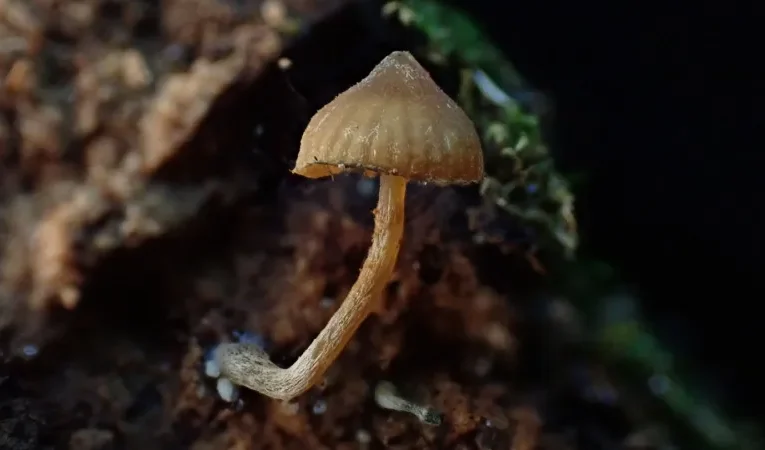
This magic mushroom can kill
Science News

Space
The space rocket I could have been aboard explodes: Rhiannon Adam’s best photograph

Science
New gas sensor detects liver disease–related compounds in breath
Phys.org

Science
The moon is not the Wild West: Experts call for a pause on lunar industrialization
Phys.org · Phys.org

Science
An old talus slope delayed the 2023 Brienz/Brinzauls rockslide by several weeks
Phys.org

Science
11,000-year-old clay fragments reveal early experiments in pottery-making
Phys.org

Science
Crushes and other injuries: What science tells us about grieving a heartbreak
Phys.org

Science
Beyond food: Bran-based gels show potential for targeted drug delivery
Phys.org