Science

Science
Public health programs can ‘rewire’ social networks, study finds
Phys.org

Science
Disiplinang walang palo: Challenging common Filipino parenting misbeliefs
Phys.org

Science
Stream restoration improves biodiversity but not necessarily ecosystem functioning
Phys.org

Science
Study: Pandemic arrest patterns may have deepened existing inequalities in policing
Phys.org

Science
Ants break a basic rule of biology to help them adapt to new environments
Phys.org

Science
Microplastics in sediment could trace decades of human activity worldwide
Phys.org

Science
A house ages alongside its occupants, according to researcher
Phys.org

Science
Study highlights need for policymakers to look at digital policies as part of energy, climate planning
Phys.org

Science
A parasite carried by one-third of humanity can’t reproduce if one key protein is disabled
Phys.org

Science
Clustering changes how charged polymers separate in water, challenging old assumptions
Phys.org

Science
More than 20 years of data challenge one-size-fits-all view of Arctic cloud-forming particles
Phys.org

Science
We must prepare entire cities for extreme heat. Our new study reveals how
Phys.org

Science
The psychology that can lead investors to make bad financial decisions
Phys.org

Science
Nontoxic ‘light-activated’ compound shows promise for safer 3D printing of advanced biomaterials
Phys.org

Science
Access to ASL from birth increases childhood math proficiency in deaf children
Phys.org

Science
The dark side of the energy transition: Renewable megaprojects may sacrifice local communities’ rights
Phys.org
Science
Key Trump Health Adviser Resigns Ahead of Midterms
The New York Times

Science
Autumn wreaths and ‘doorscaping’: Why we need more life in our front gardens
Phys.org

Science
Diamond laser system achieves 100% optical contrast in magnetic-field readout
Phys.org

Science
Entrepreneurs live longer than salaried workers, study reveals
Phys.org

Science
Quantum interference traps electron waves in metal for first time
Phys.org
Science
This implant burns up excess blood sugar with electricity
Scientific American

Space
Webb image reveals young stars brewing in a nebulous cauldron

Science
Mosquito bites are more complicated than they appear—getting a closer look might lead to better disease prevention
Phys.org

Science
When climate data is transformed into visuals, some people and places get overlooked
Phys.org

Science
Wildfires cause Amazon to emit 1.17 billion more metric tons of CO₂ than it absorbs
Phys.org

Science
Four ways cities can help protect democratic values
Phys.org
Science
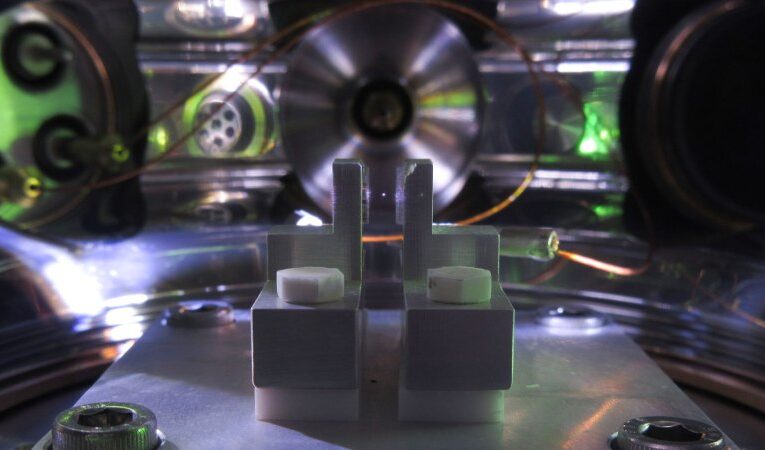
A nanoparticle revealed the tiny impact of a single gas atom
Science News

Science
Drought shifts more plant root cells into newly discovered environmental response mode
Phys.org

Science
How does fake tan work, and why does it sometimes smell ‘cookie-like’?
Phys.org