Science

Science
Making metal–organic frameworks easier to shape for electronic devices
Phys.org

Science
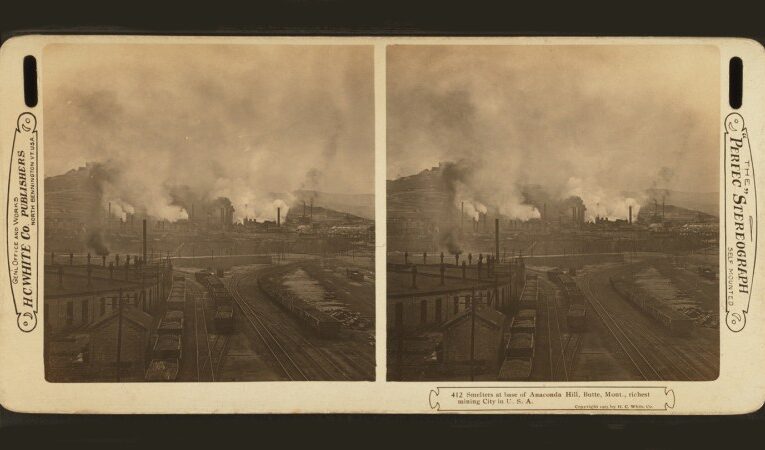
Ice core records uncover widespread air pollution from early 20th-century copper production
Phys.org
Science
Toxic secrets are hiding in Arctic ice
Science News

Science
Digging up the past can change the ground beneath it
Phys.org

Science
Heat-trapping carbon pollution drops, but scientists cite the Iran war rather than energy progress
Phys.org

Science
Locals launch campaign to buy ancient wood
BBC News
Science
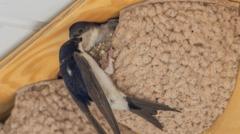
House martin artificial nests scheme set to expand
BBC News

Science
What happens to your brain when the days get darker? – video
The Guardian · The Guardian
Space
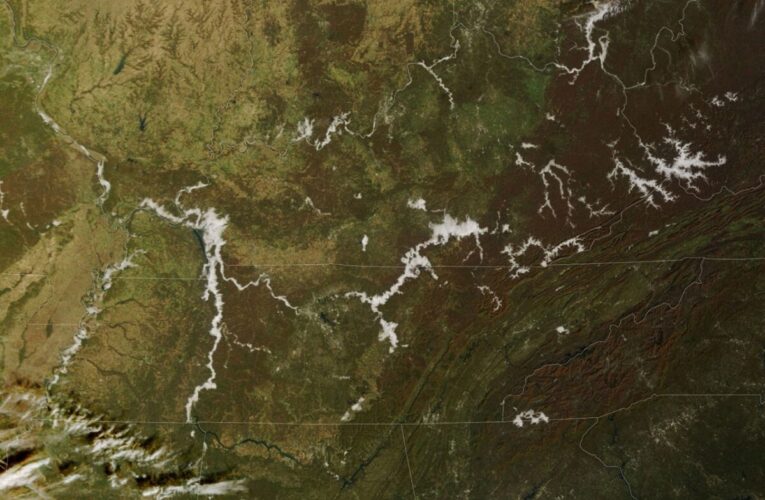
Autumn Mornings Bring Valley Fog
NASA

Science
Students need AI-free spaces to learn core skills

Science
Light-pulse pairs reveal the femtosecond decay of an inner-shell hole in xenon atoms
Phys.org

Science
AI-assisted atomic models reveal how protective shells regulate aluminum nanoparticle oxidation
Phys.org

Science
Barium titanate’s optical properties emerge more clearly after decades of widely varying measurements
Phys.org

Science
Electrical technique concentrates milk without using heat, challenging traditional preservation methods
Phys.org
Space
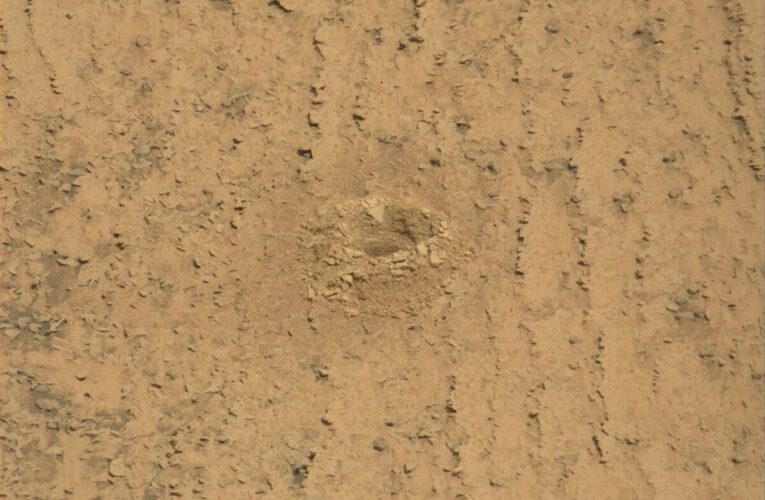
Curiosity Blog, Sols 5063-5069 Rocks and Chips
NASA · NASA · NASA

Science
Iran War Unexpectedly Drove Down Carbon Emissions This Year

Science
UK economy grows by 0.7% in third quarter despite high oil prices
The New York Times · The Guardian · The Guardian +9 more

Science
The surprising power of connecting with strangers
Phys.org

Science
Gatineau Park foliage reveals local Cold War nuclear testing legacy
Phys.org

Science
Accidental discovery enables room-temperature recrystallization of molybdenum
Phys.org

Science
Study identifies single amino acid change that alters Andes virus protein behavior in human cells
Phys.org

Science
Starling numbers are declining—we’re investigating whether their spectacular murmuration displays are changing too
Phys.org

Science
Methane-eating microbes grown on electrodes build electrically conductive nanowires
Phys.org

Science
Roman-era ‘frog feast’ near Cambridge was the work of owls, bone analysis suggests
Phys.org · Phys.org
Science
The superpower battle over energy – and what it means for your bills
BBC News

Science
Anglo-Saxon kingdom chose copper coins despite abundant silver
Phys.org

Science
El Niño 2026–27 as a polycrisis: What happens when health and energy systems fail simultaneously?
Science
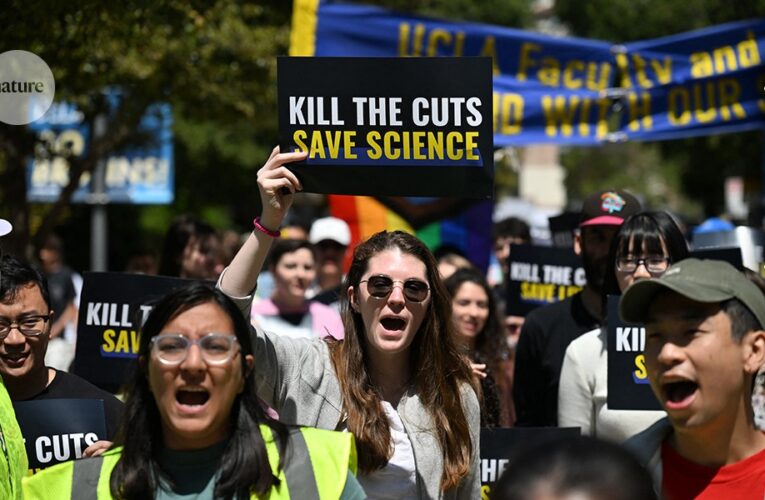
California votes to give record $8.4 billion to medical research
Nature
Science
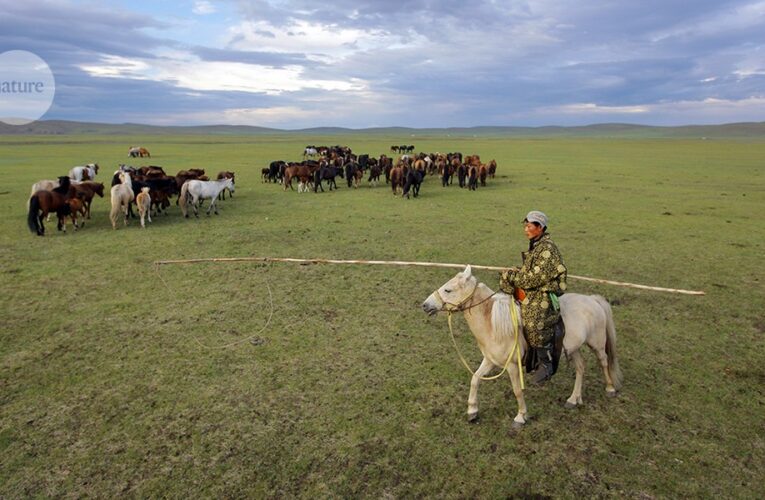
Mongolia’s iconic grasslands are in crisis — invisible fungi could help save them
Nature
Science
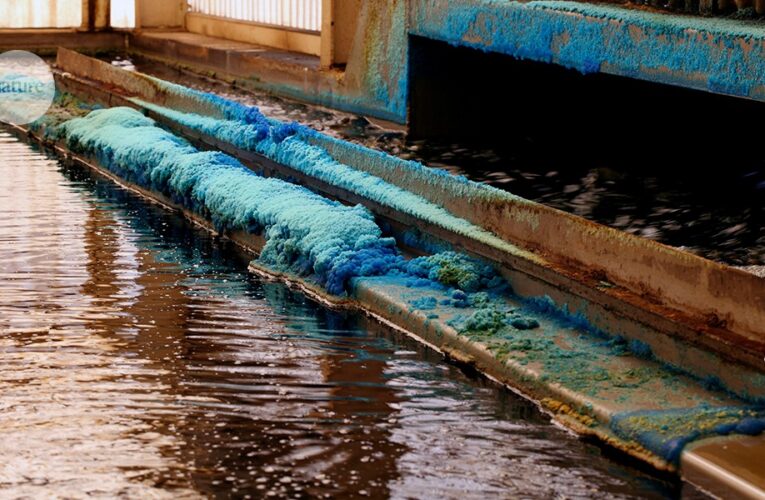
How microbes can secure the critical minerals the world needs
Nature