Science

Science
Measuring regrowth: Erk gradients guide zebrafish fins back to their original size after injury
Phys.org

Science
Partisan segregation may be shaping Asian Americans’ voting behavior
Phys.org

Science
Study examines suicide awareness among agricultural educators
Phys.org

Science
ElevenLabs wants to run your voice agent. Here’s what developers give up.
Science News · The New Stack
Science
Math Puzzle: Baby bottle mix-up
Scientific American
Science
Why we probably live in a quantum multiverse
Scientific American
Science
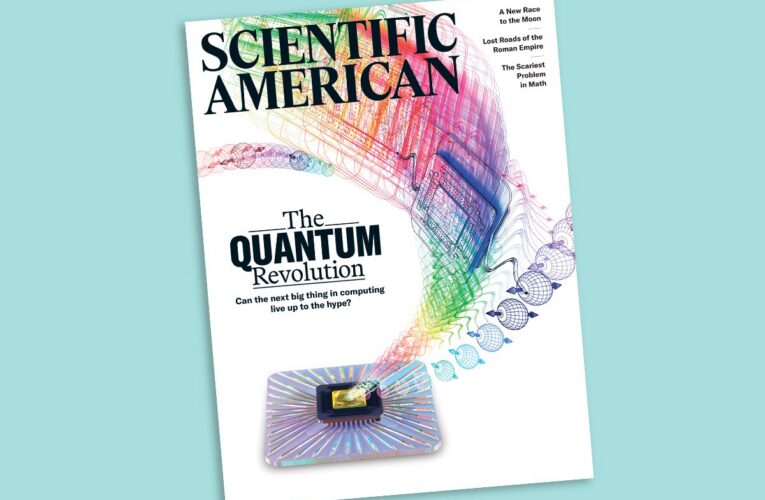
Readers respond to the June 2026 issue
Scientific American

Science
Science crossword: Scroll bars
Scientific American
Science
These extreme cosmic explosions are breaking physics
Scientific American

Science
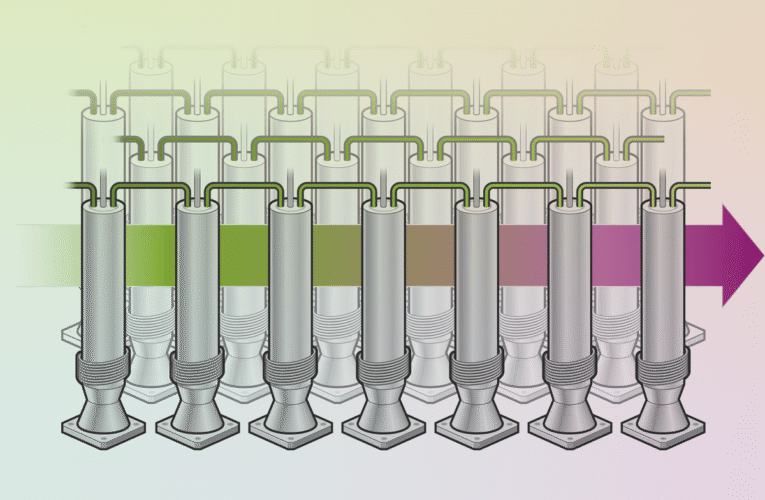
We’re addicted to social media. How do we get sober?
Science
Iran’s enriched uranium re-emerges as point of contention in US talks
Scientific American · Al Jazeera
Science
Poem: ‘Life in Bilateral Wonder’
Scientific American

Science
November 2026: Science history from 50, 100 and 150 years ago
Scientific American

Science
How your brain learns to cope with uncertainty
Scientific American

Science
Single X-ray pulse reveals plasma nanostructures across scales with one camera
Scientific American · Scientific American · Phys.org
Science
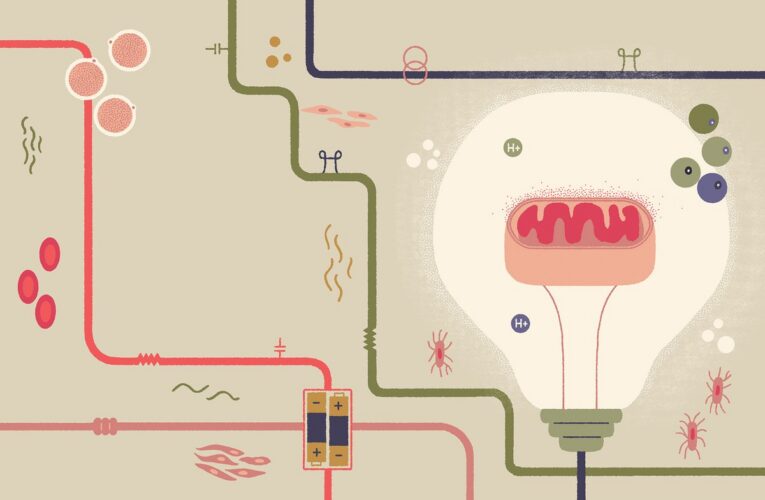
The provocative new theory that could explain aging and disease
Scientific American

Science
Photos: Aftermath of deadly Cyclone Arnab in southern India
BBC News · The Guardian · Nature +57 more

Science
Deep-sea expedition will revisit Pacific mining site five and a half years after test
Phys.org

Science
Marine life dramatically declined in Gulf of Mexico in years after BP oil spill, study finds
Phys.org
T
Science
Where Do Autoimmune Diseases Come From?
The New York Times

Science
The British island where red squirrels are thriving
BBC News
Space
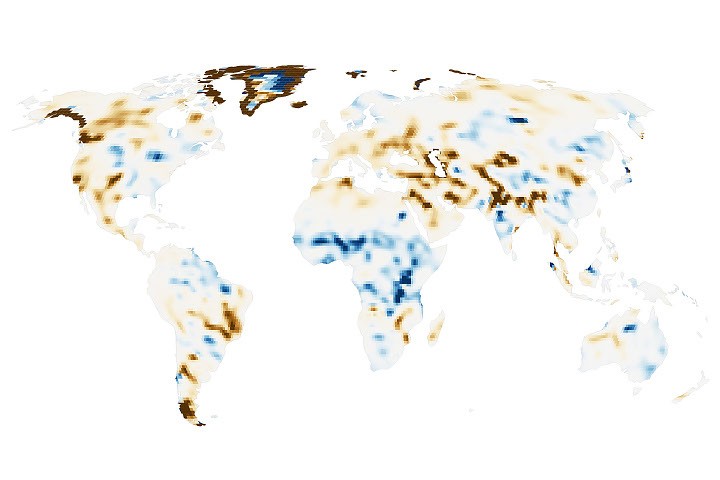
The Human Fingerprint on Earth’s Water Cycle

Science
Synthetic public opinion polling: AI personas don’t always change their minds like real voters do
Phys.org

Science
Juvenile striped bass maintaining average abundance in Virginia waters in 2026
Phys.org

Science
Q&A: How does technology help track foodborne pathogens and outbreaks?
Phys.org
Space
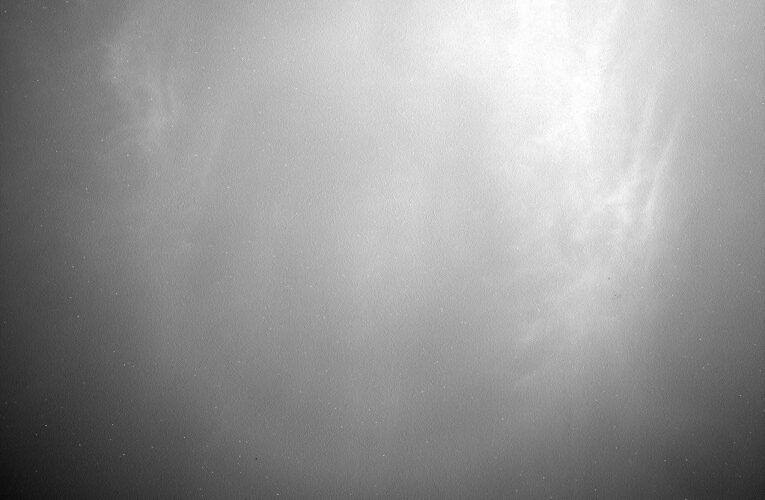
Curiosity Blog, Sols 5036-5042: Watching the Clouds Go By
NASA

Health
Nanoscale tech tracks proteins inside living neurons to guide Alzheimer’s and Parkinson’s drug discovery
Phys.org
N
Science
It’s time to teach peer review as a core research skill
Nature

Science
Will this sleep-disorder drug be the next big blockbuster?
Nature · Nature
N
Science
Body clock disruptions contribute to one in four cases of depression, suggests large study
Nature