Science

Science
Fighting off microbial invasions drains plants’ iron stores, but one protein helps restore balance
Phys.org

Science
Bering Land Bridge base camp reveals what life was like nearly 14,000 years ago
Phys.org

Science
Main factors in pornography use among adolescents identified
Phys.org

Science
New DNA tool could help detect harmful algal blooms before they spread
Phys.org

Science
Removing rats and restoring native plants could help atolls withstand rising seas
Phys.org

Science
NIH appears to shut down public comments on science peer-review rule change ahead of schedule
Scientific American

Science
Warmer coastal waters drive heavy cyclone rainfall farther inland, raising flood risks
Phys.org

Science
Nine studies reveal consumers favor eco-friendly additions over waste-cutting removals
Phys.org
Science
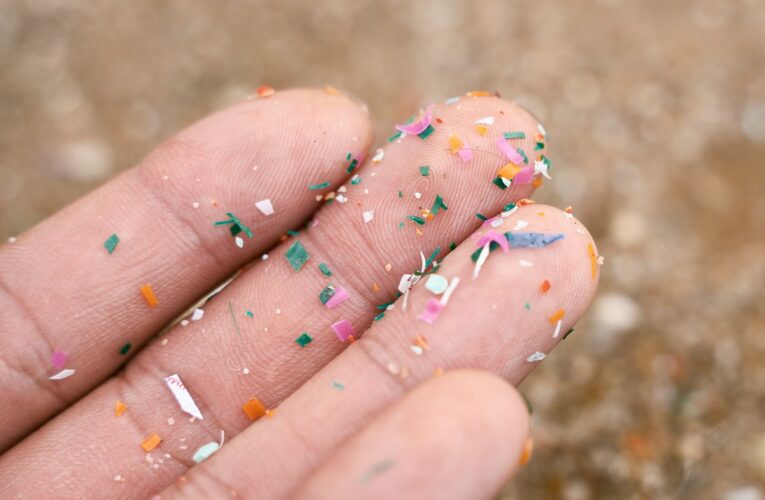
Microplastics are linked to inflammation—scientists might have finally worked out why
Scientific American

Science
Bacteria turn 3D-printed sand into solid building elements
Phys.org

Science
Gathering rare airborne observations of firestorm clouds
Phys.org

Science
‘Sundown towns’ linked to lingering racial bias
Phys.org

Science
Toothless ‘hell chicken’ dinosaur may have had a taste for fruit
Phys.org

Science
Local DNA motion inside the cell stays nearly constant throughout interphase
Phys.org

Science
How drought shapes the impact of Xylella fastidiosa on almond trees
Phys.org
Science
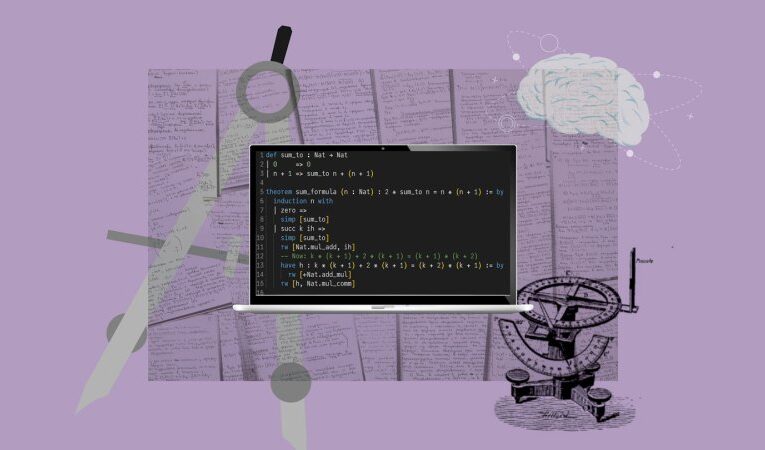
Can math stay human in the age of AI?
Science News
Space
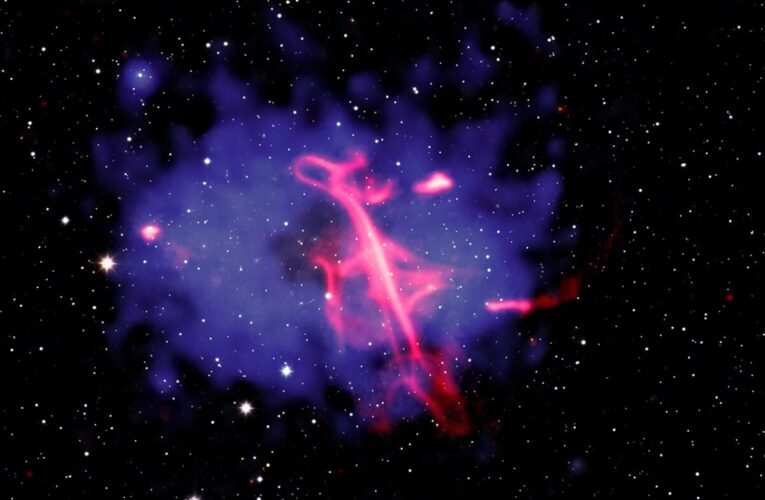
Chandra breaks down ‘Treble Clef’s’ galaxy cluster collision
NASA · Phys.org

Science
Australia’s oldest underwater archaeology reveals ancient life within a lost landscape
Phys.org

Science
A tiny magnetic whirlpool could point to a new kind of ultra-efficient memory
Phys.org
Science
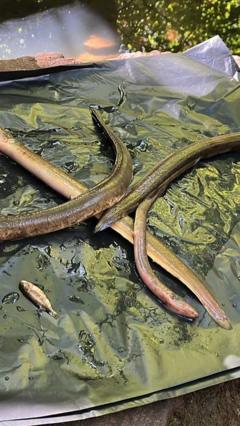
Industrial fire linked to fish and eels’ deaths
BBC News

Science
Mont Blanc’s snowy crown grows nearly 2 meters higher in 3 years
Phys.org

Science
Storing memory on a chip with flowing water
Phys.org

Science
Workers who fear AI replacement show worse workplace behavior
Phys.org
Science
Stunning video reveals the year-round dance of the sun’s corona
Scientific American

Science
Enzyme discovery opens a new route to natural UV-absorbing saclipins
Phys.org

Science
Rising seas could weaken Chesapeake Bay’s natural storm surge buffer
Phys.org

Science
Rocks from hydrothermal vents can spontaneously combust, posing potential risks for deep-sea mining operations
Phys.org

Science
AI ethics analysis clarifies why different goals call for different ethical approaches
Phys.org

Science
Honeybees are barging aside wild pollinators in hunt for pollen and nectar, study finds
The Guardian · Phys.org
N
Space