Science
Science
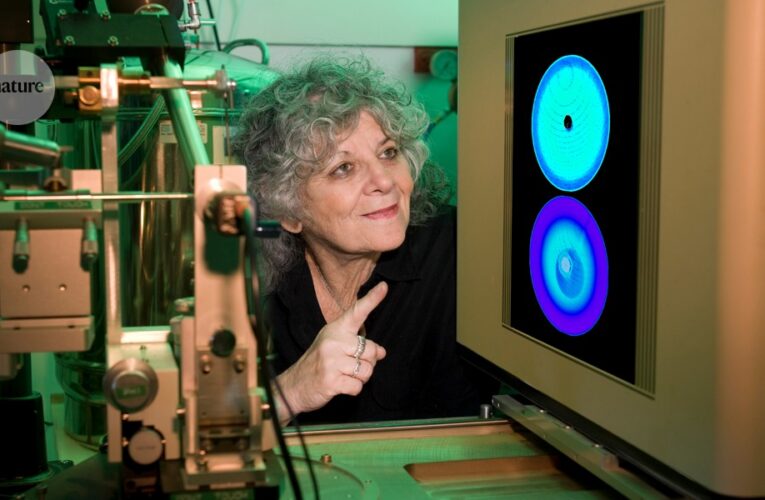
Ada Yonath obituary: Crystallographer who overcame ‘impossible’ challenge of mapping the ribosome
Nature
Science
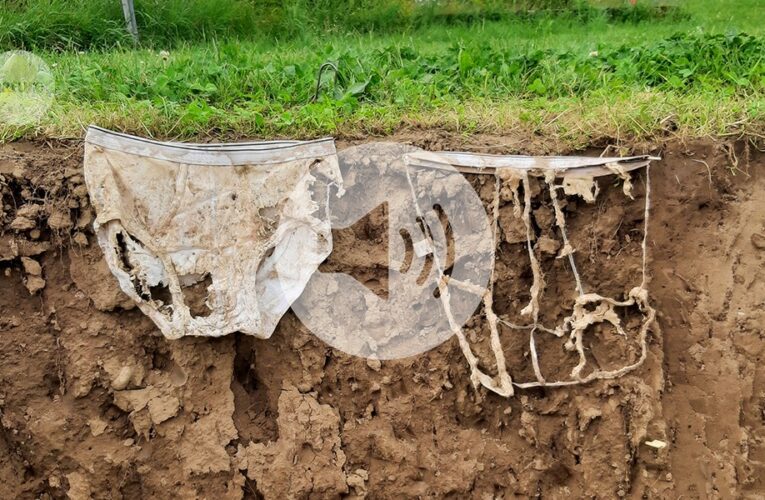
Briefing Chat: How 1,000 pairs of buried underpants helped measure soil health
Nature
Science
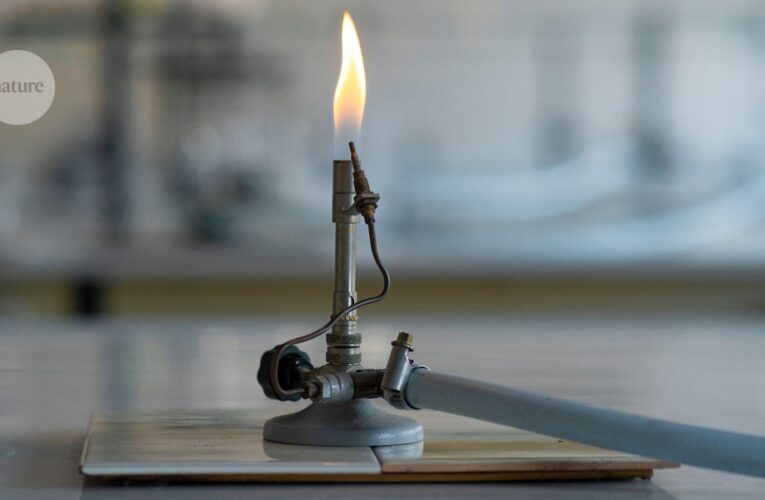
Bunsen burners’ reputation for sterilizing workplaces flames out
Nature

Science
Light-triggered interface lets adhesive peel cleanly and rebond through 15 cycles
Phys.org

Science
Soft nanoscale confinement prevents ice, exposing water’s liquid-to-glass transition
Phys.org

Science
From peas to potatoes, AI identifies nearly 800 promising plant proteins for food and cosmetics
Phys.org

Science
How an unassuming wildflower thrives in salt-laden air that kills other plants
Phys.org

Science
Warming seas could shrink most mollusks by 2100, but some may grow
Phys.org

Science
Parliamentary motions show growing AI use, with no disclosure from MPs
Phys.org

Science
Iron helped scientists trace Earth’s oxygen. Now it’s telling a bigger story
Phys.org

Science
Built to last or break down: Ring size tunes biodegradable plastic lifetimes
Phys.org

Science
Satellites spot forest stress two years before bark beetle die-offs become apparent
Phys.org

Science
The Arctic melt season is a week longer now than it was in the 1980s, new research on sea ice trends shows
Phys.org

Science
Microbes—dead or alive—can be early indicators of soil health under regenerative farming
Phys.org

Science
Even second graders can reason like scientists—if we ask them the right way
Phys.org

Science
Nanoscale multiferroic materials open the path to efficient magnetic memory technology
Phys.org

Science
Predictive tools can confuse rare mutations with dangerous ones
Phys.org

Science
Beyond the ‘Great Divide’: What we really know about political polarization
Phys.org

Science
Traces of nearly 4 million coins reveal how Rome achieved economic integration
Phys.org

Science
‘Green thumb’ molecule helps leaf stalks grow in crowded conditions
Phys.org

Science
A molecular brake that keeps muscle architecture in check
Phys.org

Science
How a plant’s refusal to self-pollinate could help India grow more of its own cooking oil
Phys.org

Science
Hot subdwarfs come into focus as AI scans thousands of stars in Gaia data
Phys.org

Space
Japan Is Launching a Probe to Collect the First-Ever Samples From a Martian Moon
Wired · Phys.org

Science
‘Empty nest’ can trigger loneliness and loss in older parents, study finds
Phys.org

Science
Antarctic expedition reveals why Southern Ocean clouds remain one of climate science’s greatest challenges
Phys.org

Science
Early mammals weren’t all loners—some may have lived in pairs alongside the dinosaurs
Phys.org

Science
Rapid simulation of heat propagation through multiple rods
Phys.org
Science
BBC Inside Science

Science
Chimpanzees have accents too, study finds
Phys.org