Science

Science
Simple ‘grow-and-repel’ rule explains how brain immune cells organize themselves to protect nervous tissue
Phys.org

Science
New research reveals a bias in employee reference checks
Phys.org
Science
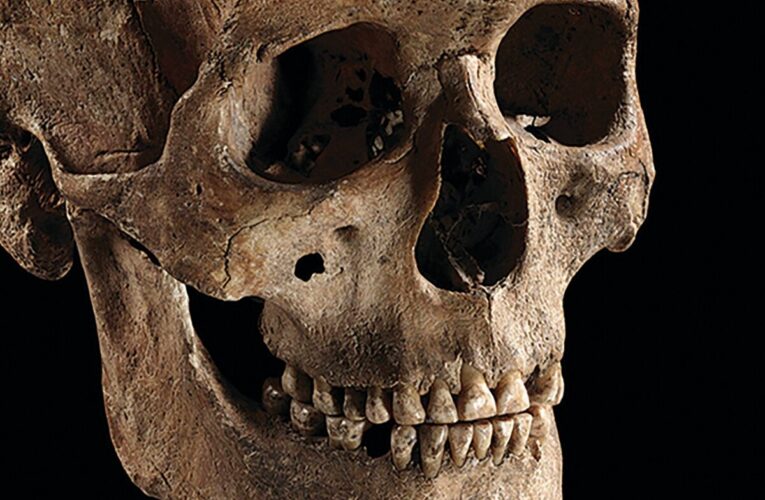
This Danish Man Was a Rare Witness to the Agricultural Revolution
The New York Times

Science
Four decades of citizen science reveal widespread declines in native plant distributions in Japan
Phys.org

Science
Tiny tracker reveals the longest ever recorded hummingbird migration
Phys.org

Science
Ice near Antarctica’s surface could unlock climate clues millions of years old
Phys.org

Science
Who needs perfume? The incredible link between body odour and relationships that last
The Guardian

Science
Deep-sea clam discovered living inside the throat of a sea urchin
Phys.org

Science
Designing and optimizing genetic circuits in biology
Phys.org

Science
Four radiation belts surrounded Earth for weeks after 2024 solar superstorm
Phys.org
Science
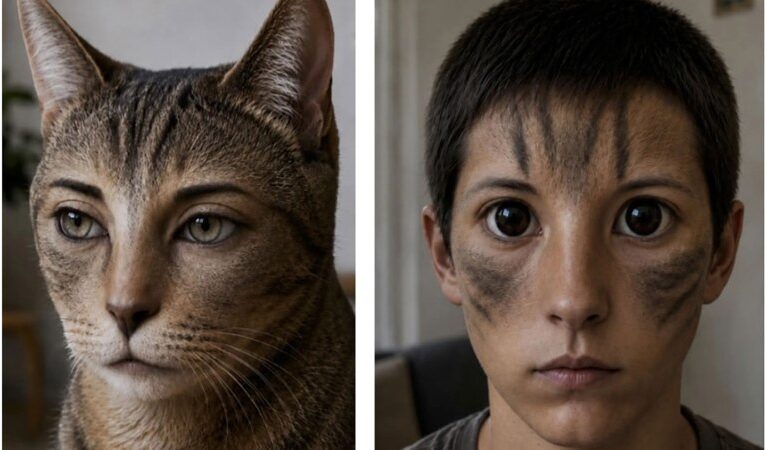
This man sometimes sees his cat’s eyes on people’s faces
Science News
Space
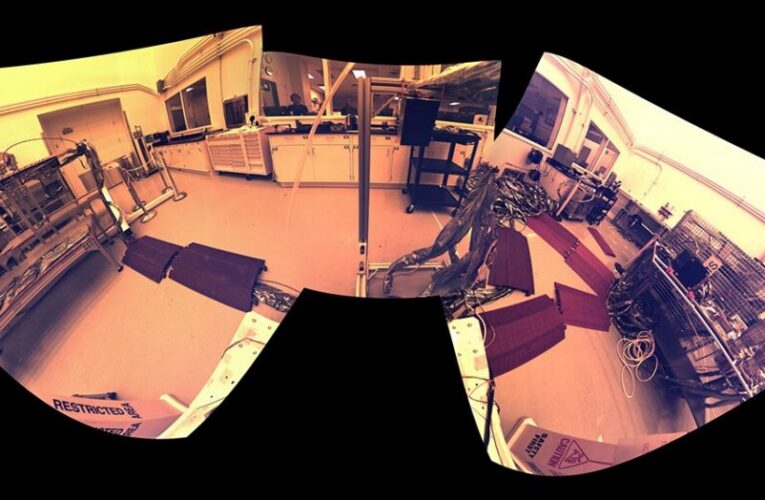
NASA’s Titan-Bound Dragonfly Rotorcraft Gets Its Eyes
NASA

Science
Offshore wind turbine hum may make phytoplankton grow faster
Phys.org

Science
Guinea baboons respond flexibly to changing environmental conditions
Phys.org

Science
The Royal Court’s new mission? To boldly go back to the 60s space race with The Afronauts
The Guardian

Science
Ancient cellular machinery boosts immunity against cancer
Phys.org

Science
Q&A: How socioeconomic status is measured can obscure inequalities in health care
Phys.org

Science
Roads store microplastics before they join rain runoff to waterways
Phys.org

Science
Diverse diets may reflect choice, not scarcity, among Australian hunters 45,000 years ago
Phys.org

Science
Engineers develop simpler, scalable way to make diamond nanowires
Phys.org

Science
Study explores how gratitude can become a character trait
Phys.org
Science
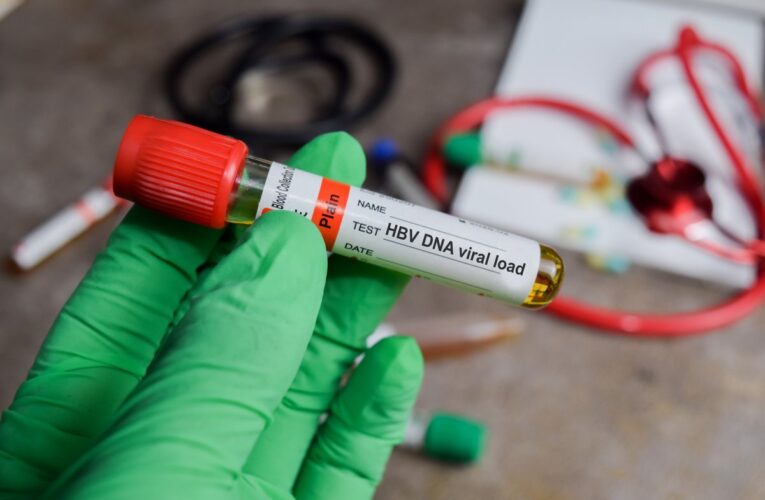
The number of babies getting vaccinated for hepatitis B at birth is dropping precipitously
Scientific American

Science
Six ways teens can better protect themselves from online harms
Phys.org

Science
Warmer water reshapes venom chemistry in tiny jellyfish
Phys.org

Science
Outsmarting deadly fungi: Researchers identify promising strategy against emerging fungal infections
Phys.org

Science
Lightning strikes could more than double by 2100 thanks to climate change
Scientific American · Phys.org · Phys.org
Science
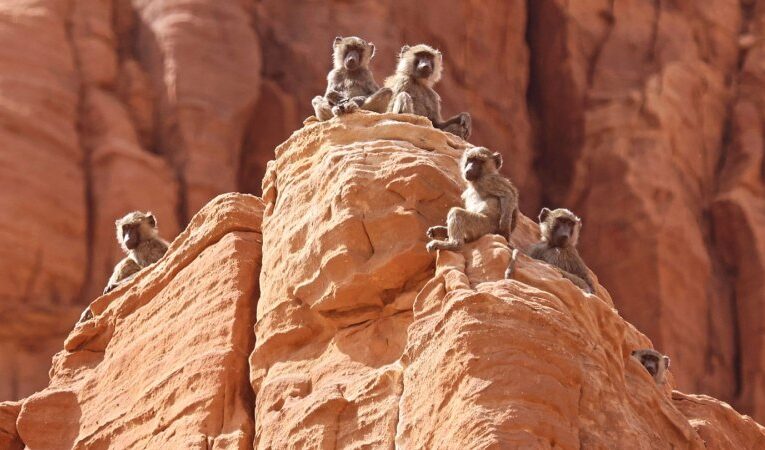
Eagles can prey on adult baboons. Did our ancestors face that threat?
Science News
Space
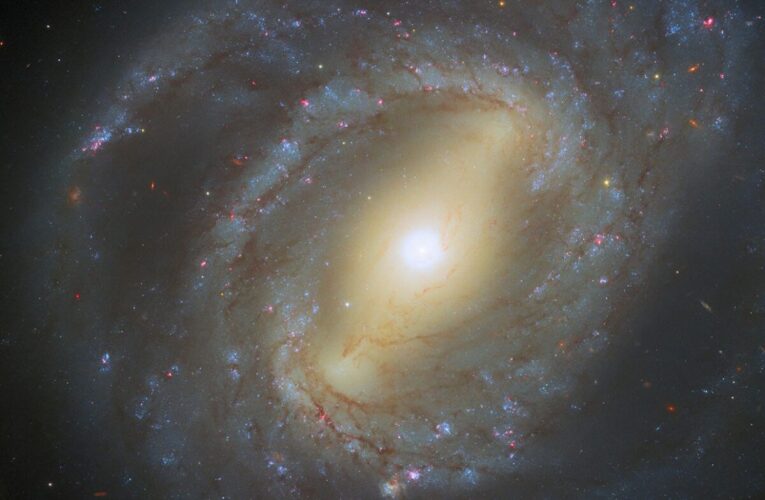
NASA Hubble’s New View of NGC 4394 Raises the Bar
NASA · Phys.org

Science
Bull shark records reveal links between warmer waters, rainfall and activity near Queensland beaches
Phys.org

Science
Witchweed menaces maize farms across Africa: New study maps the damage
Phys.org