Science
Science
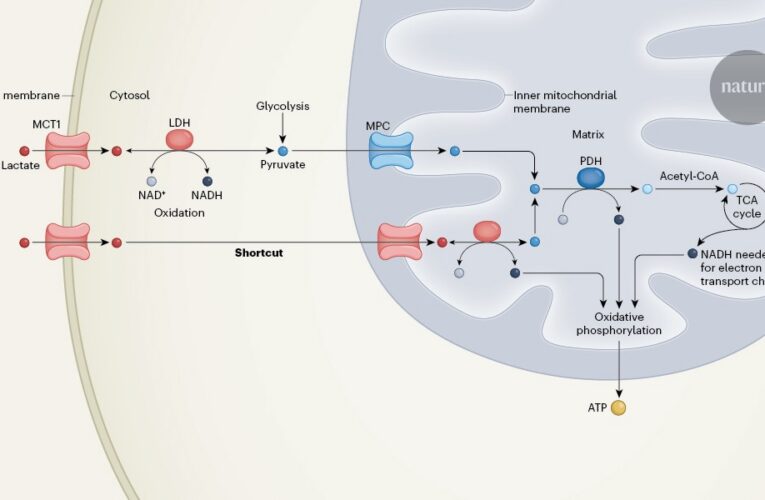
Lactate takes a shortcut into mitochondria to power the heart
Nature
Health
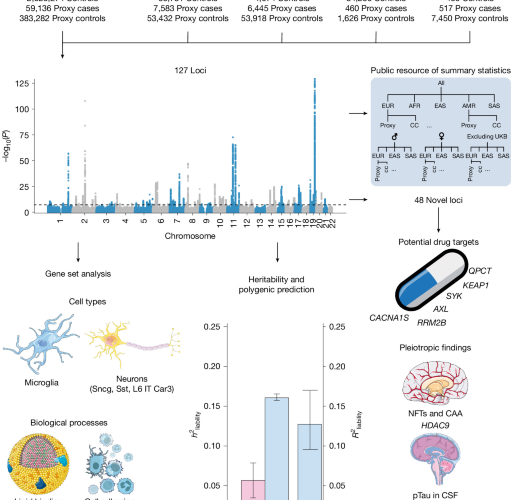
Alzheimer’s disease genetics converges on microglial and neuronal dysregulation
Nature
Science
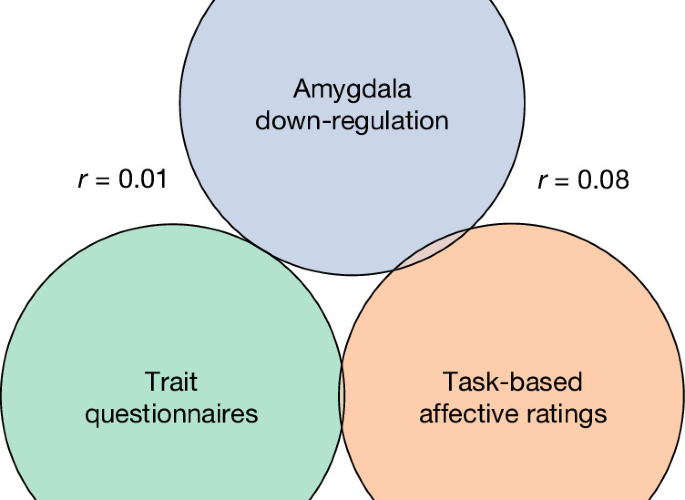
Emotion regulation capacity lacks a shared neural signature
Nature

Science
The brain liquidates billions of mutant neurons around the time we’re born
Nature
Health
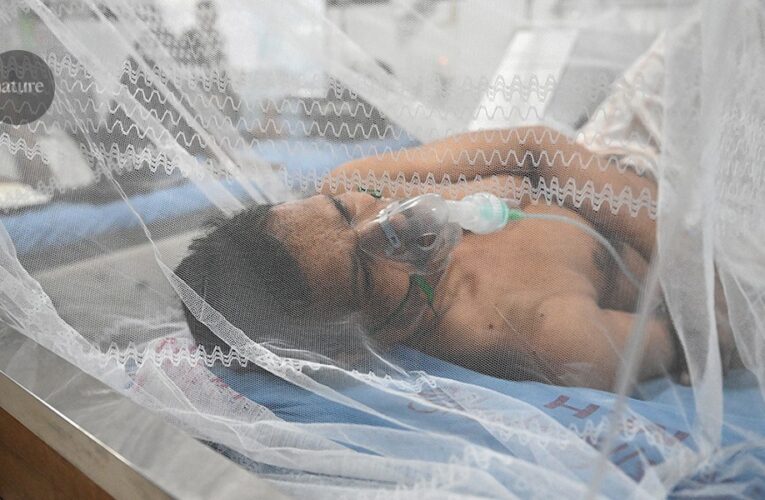
Dengue comes back even in vaccinated people — new clues
Nature
Science
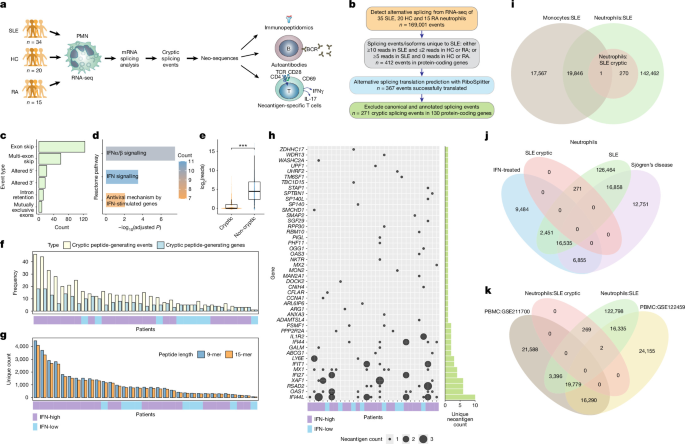
T and B cells recognize splicing-derived neutrophil neoantigens in lupus
Nature
Science
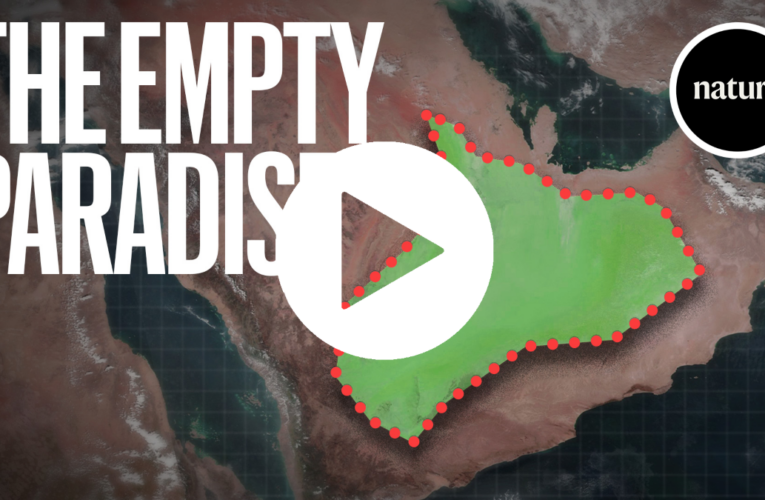
Why did ancient humans avoid this lush paradise
Nature · Nature · Nature +1 more

Science
Decoding the loopy physics of hula hooping with high-tech earthquake sensors
Phys.org

Science
Biodiversity hotspots in southwestern Germany are losing their species richness
Phys.org

Science
The way Earth’s ‘thermostat’ works may have changed during Pangea era
Phys.org

Science
Identical vesicles, different behaviors: Model reveals how spontaneous asymmetry gives rise to lifelike behavior
Phys.org

Science
Can your brain make you see ghosts? The science behind the Bloody Mary legend
Phys.org

Health
A ‘simple recipe’ takes some of the guesswork out of mass spectrometry imaging
Phys.org

Space
This Halloween, amateur astronomers may be in for a dwarf planet treat
The New York Times · Scientific American · Wired +3 more

Science
AI bots flooded 2023 UK government consultation on disposable vapes ban
The Guardian · Phys.org

Science
Counteranion captures reactants to boost light-driven chemistry in dilute solutions
Phys.org

Space
Double debris disk orbiting a dead star hints at our solar system’s future
Phys.org

Science
Bottom trawlers do huge damage to life on undersea mountains. Could an end finally be in sight?
Phys.org

Science
New cacao variety could help protect global chocolate supply from disease
Phys.org

Science
Supporting children with dyslexia starts with preparing their teachers
Phys.org

Science
AI and satellite data could give Florida earlier warnings of toxic red tides
Phys.org

Science
Scientists uncover new way to control magnetism and topology using light in atomically thin materials
Phys.org

Science
Extreme risk protection orders are designed to prevent gun violence. But how do they impact the people subject to them?
Phys.org

Science
Potential antimalarial compound discovered in institute’s microbe collection
Phys.org

Science
Light-controlled brake makes random molecular motion 300,000 times slower
Phys.org

Science
People are influenced by unreliable information yet remain aware of its influence on their decisions
Phys.org

Science
Museum visits are generally not perceived as boring, study finds
Phys.org

Science
A brief-ish history of METI. Part I: Early ideas and experiments
Phys.org

Science
Tiny droplets use pressure to unlock new routes to degradable plastics
Phys.org

Science
The beacon effect: Rethinking what it means to make an impression
Phys.org