Science

Science
Drone laser scans map more than 1,000 trees across 90-acre campus
Phys.org

Science
Bees see the world in more ways than previously thought
Phys.org

Science
Kaikōura erosion monitoring holds answers for world’s rock coastlines
Phys.org

Space
A supermassive black hole erupted in X-rays, and its radio jets followed 300 days later
Phys.org

Science
Research highlights hidden impact of domestic violence on women and their pets
Phys.org
Science
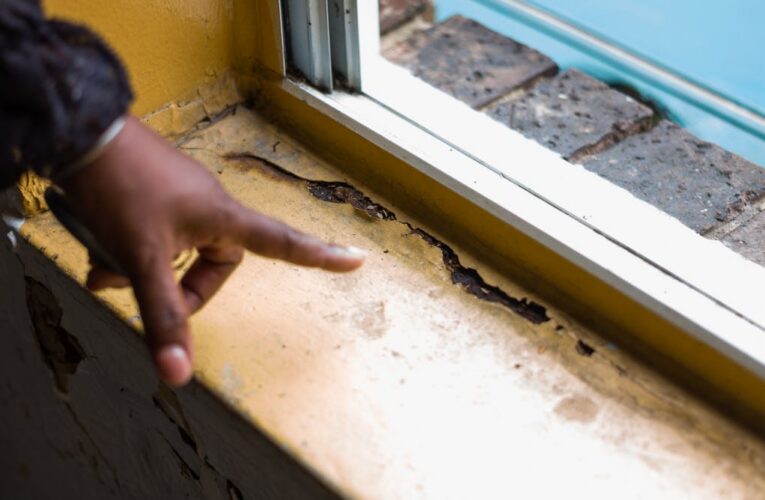
What is public interest technology? An expert on data and policy explains how it helps people in need
The Conversation · Phys.org
Science
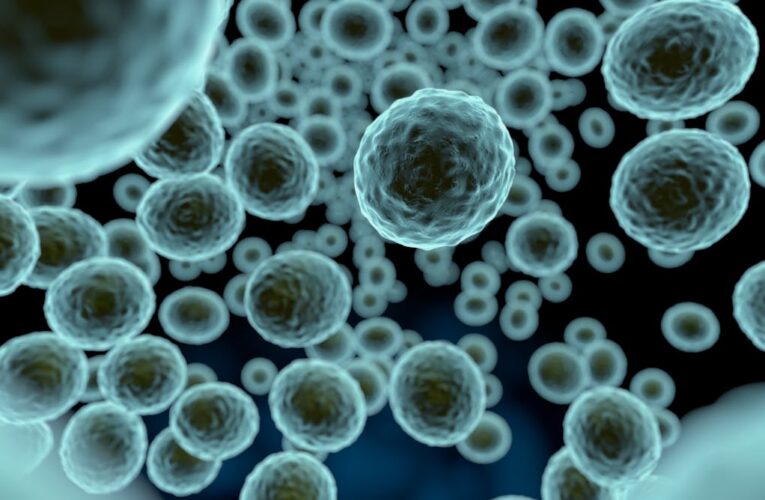
Many space missions are searching for life beyond Earth, but are we prepared for the fallout if they succeed?
The Conversation · Phys.org

Science
When exposed to air, new nanomaterial becomes magnetic at high temperatures
Phys.org
Science
Rare butterfly spotted in Cornwall
BBC News

Science
How do you get middle schoolers to eat more fruit? Give them smoothies
Phys.org

Science
Engagement-driven curation can trap culture consumers in ‘overfamiliarity,’ leading to less long-term satisfaction
Phys.org

Science
New research compares civil servant experiences under Trump in the US to those under Bolsonaro in Brazil
Phys.org
Science
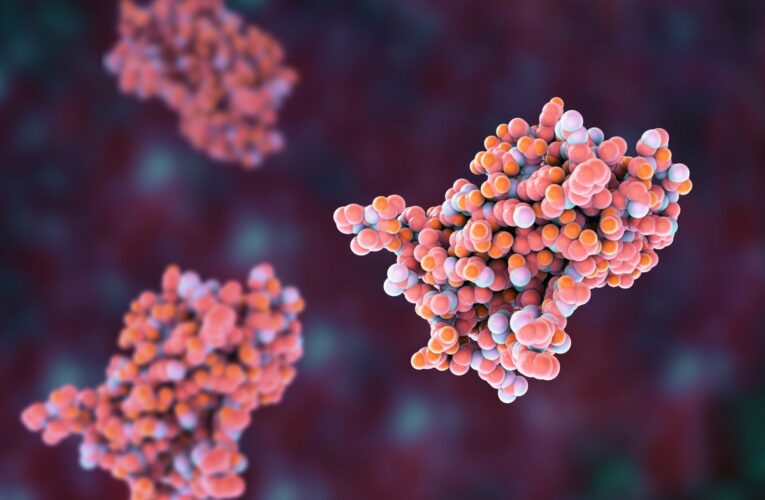
Growth hormone peptides promise to stall aging—but does the science stack up?
Scientific American
Science
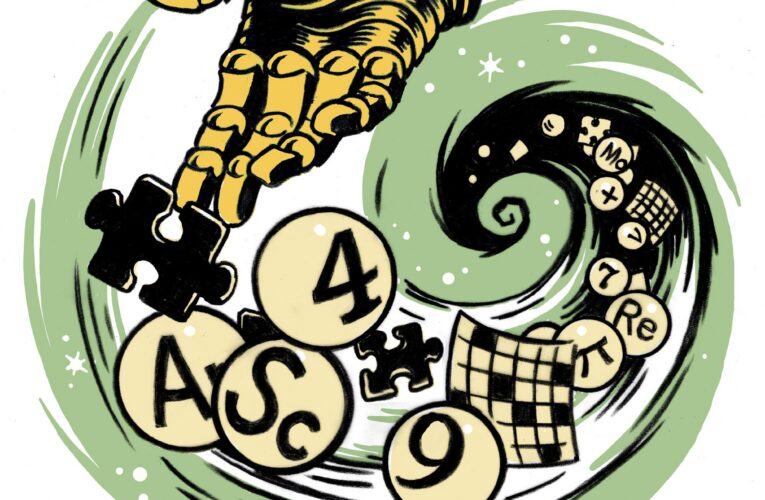
Bonus crossword: Tints of life
Scientific American
Science
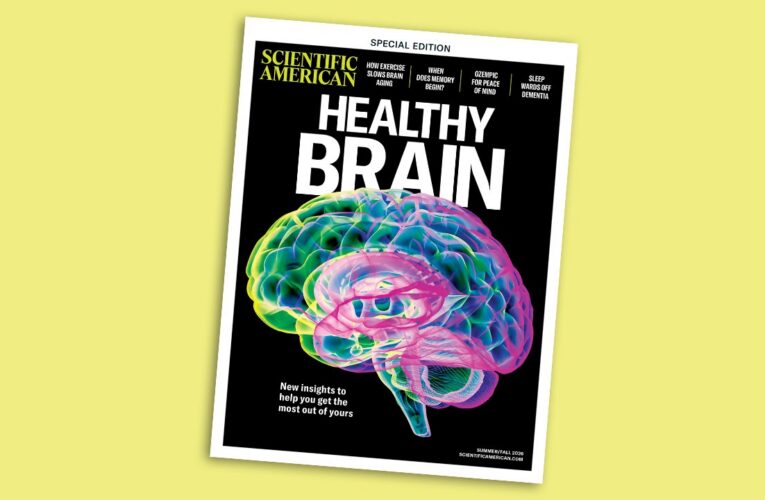
Completing the connectome: How pursuing a map of the fly brain rewired neuroscience
Nature · Scientific American · Phys.org

Science
In Japan’s mountains, a different way to manage bears
Phys.org

Science
Food innovation in your kitchen: Giving peas, beans and lentils a surprisingly meat-like bite
Phys.org

Science
Declining star formation not caused by simple ‘fuel crisis,’ new measurements suggest
Phys.org

Science
Researchers catch sharks off NY’s Hamptons, attach trackers to toothy predators
Phys.org

Science
Eruption of Sinabung volcano on Indonesia’s Sumatra island prompts higher alert
Phys.org
Science
New storm names for 2026-2027 released by Met Office
Science
Could humans ever communicate with whales? – video
The Guardian · The Guardian
Science
Mathematician discovers how to fold the smallest origami doughnut
Scientific American

Science
Higher cutting could reduce annual bluegrass contamination in tall fescue seed
Phys.org

Science
New policy brief outlines how EU policies can better support sponge restoration
Phys.org

Science
National survey measures full financial burden of community sport in Australia
Phys.org

Science
Cover crops could ease the shift from perennial seed to annual crops
Phys.org

Science
Drones take farming to new heights

Science
A call to celebrate your achievements — from dissertations to tenure
Nature
Science
A new layer of the human genome: Embedded RNA marks may reshape DNA twisting
Nature · Phys.org